Head: M.Sc. Marcel Münch
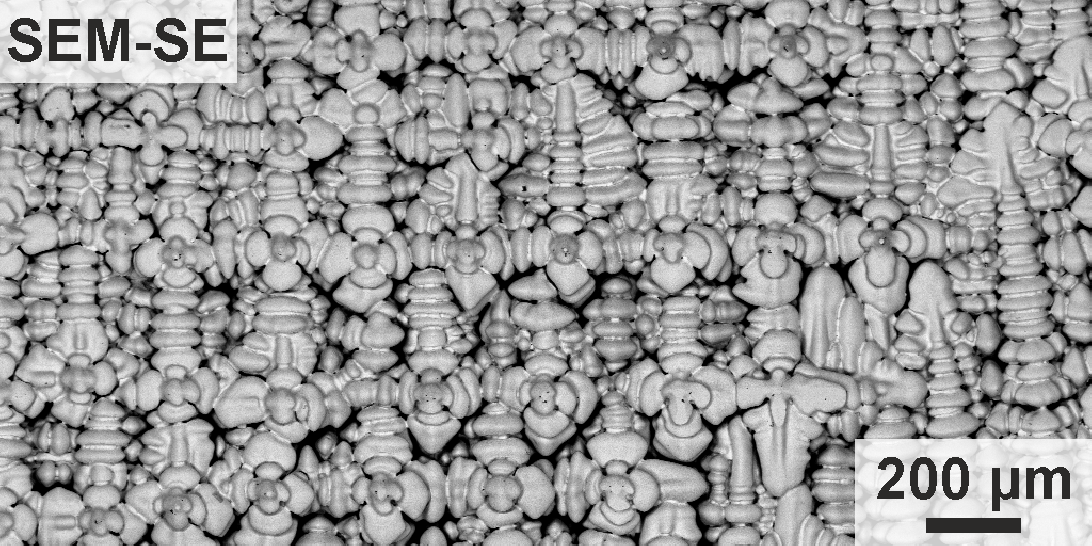
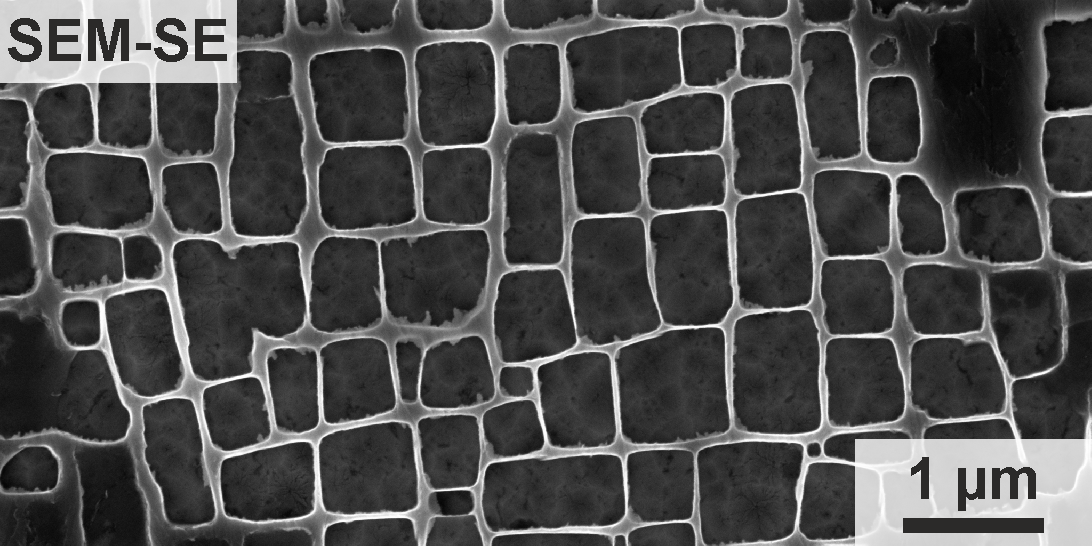
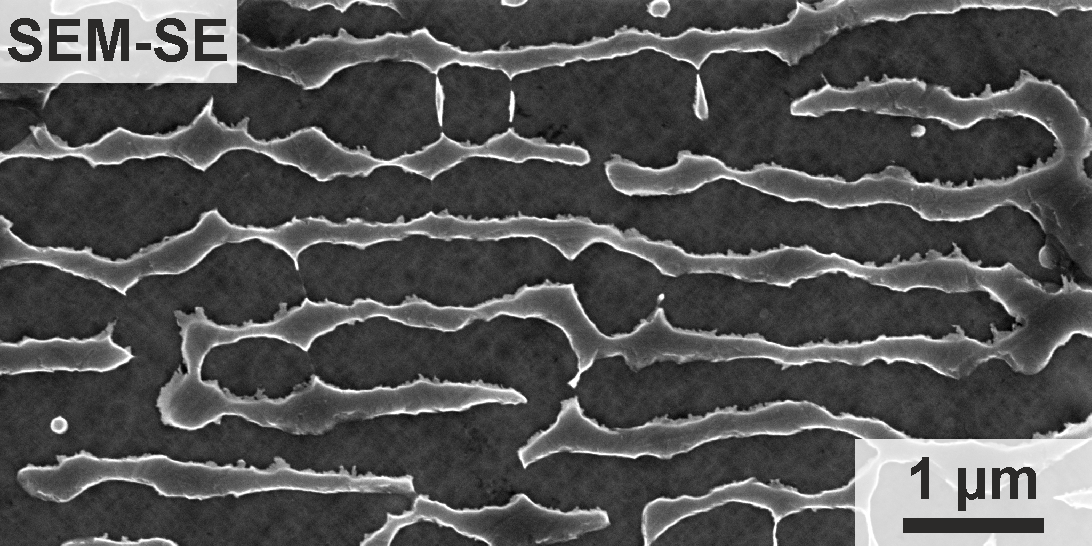
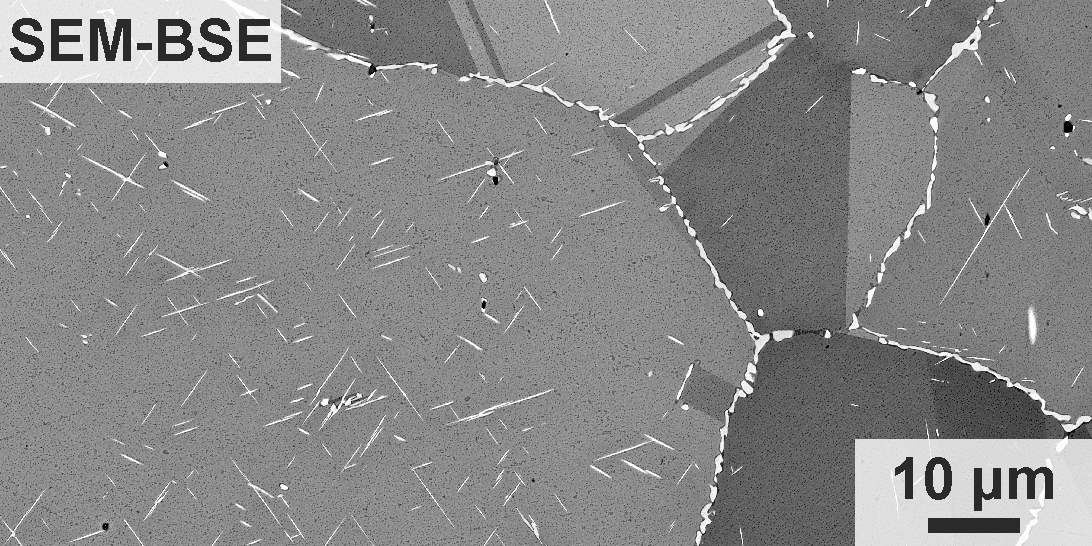
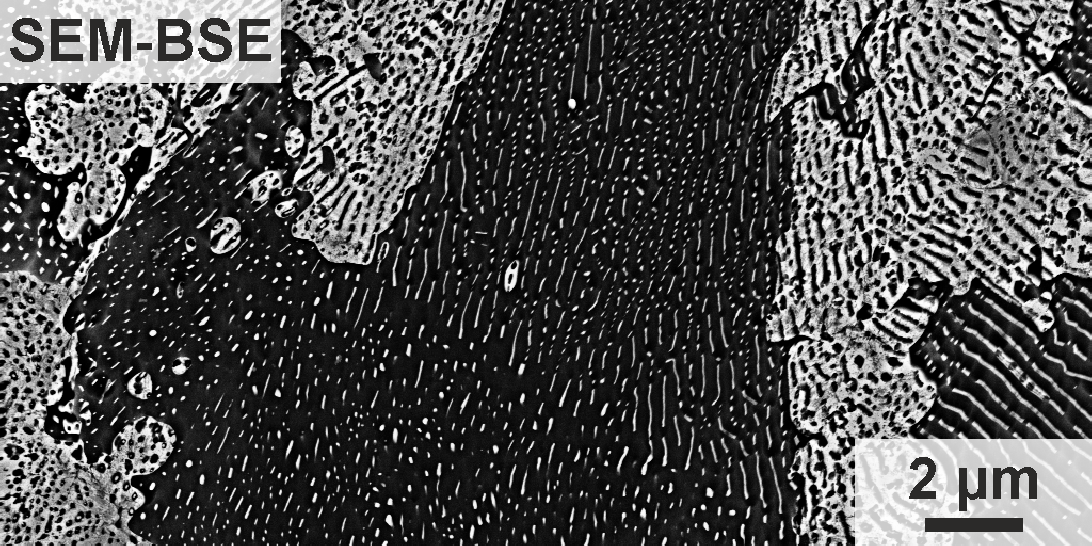
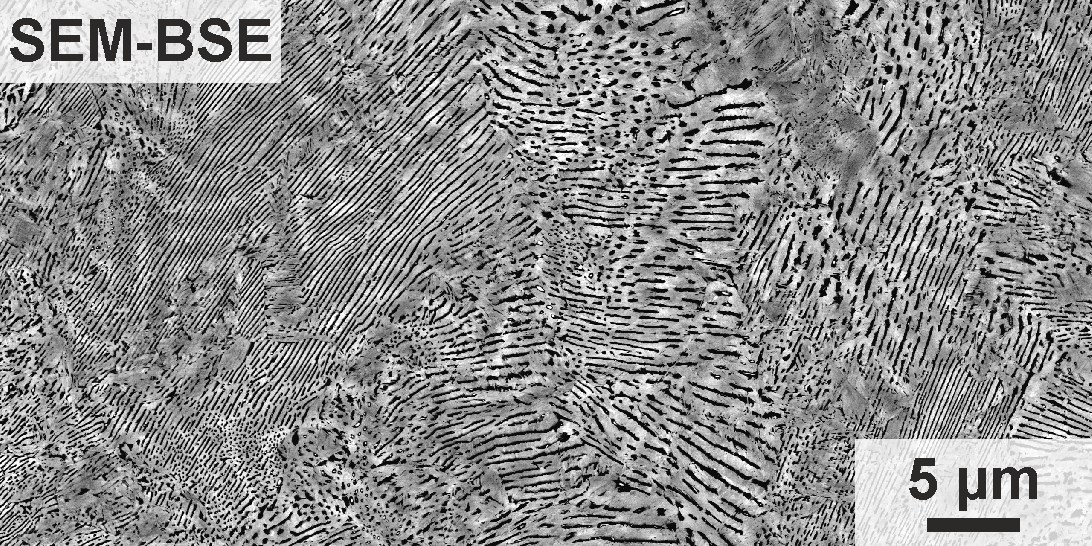
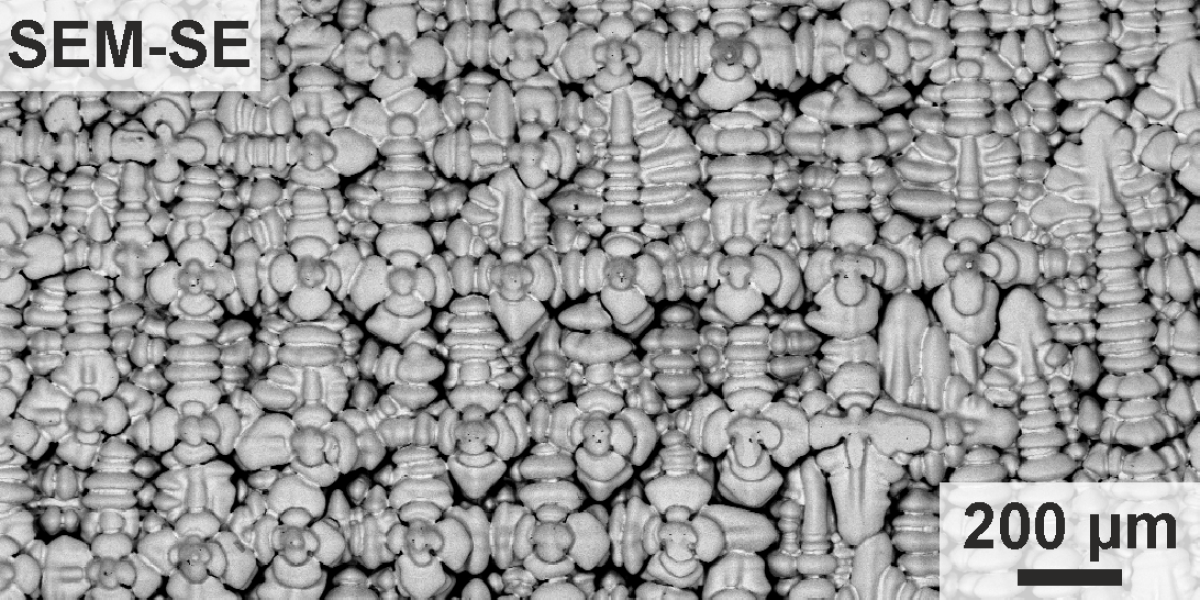
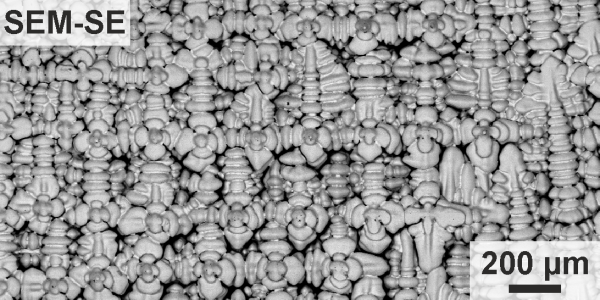
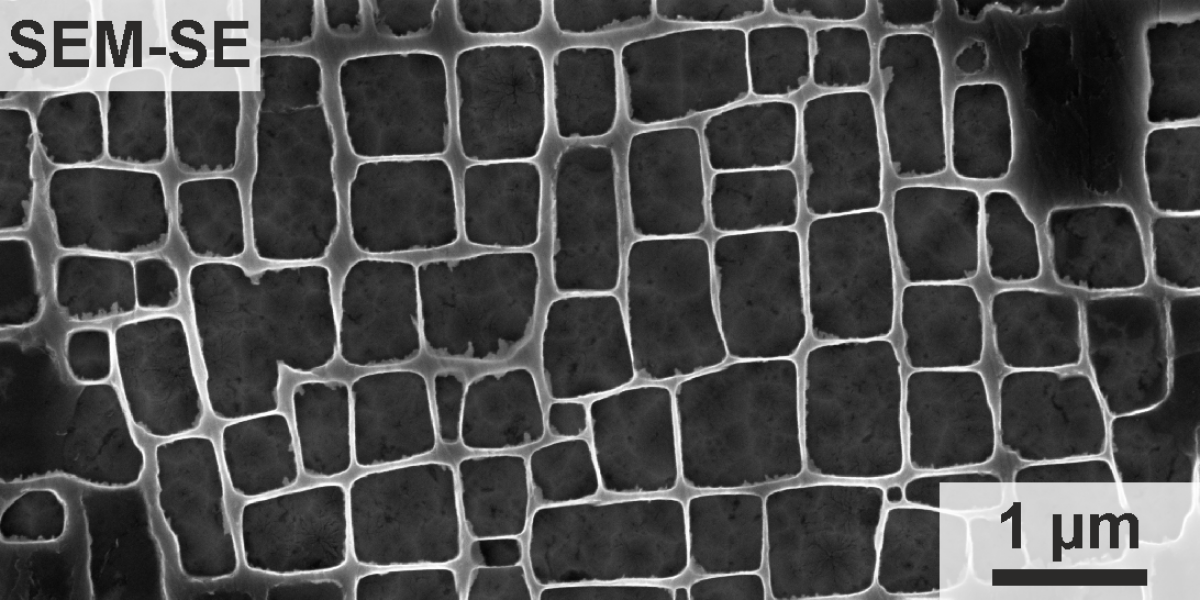
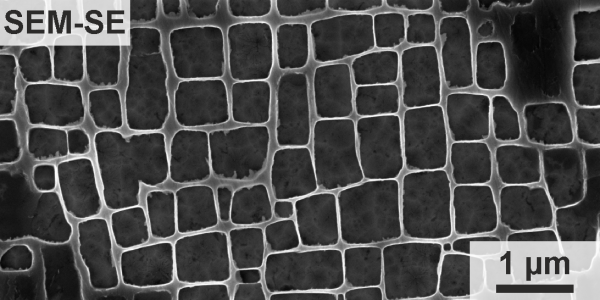
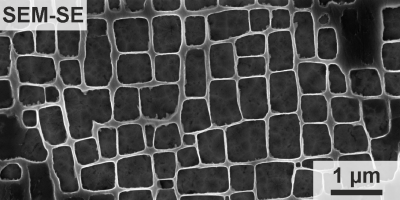
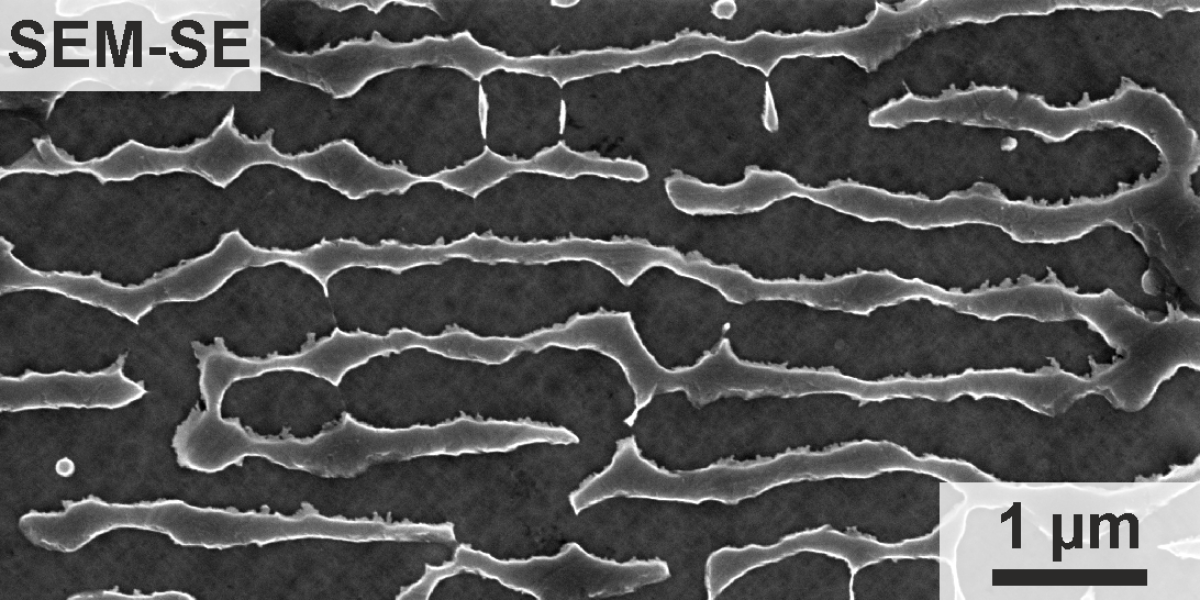
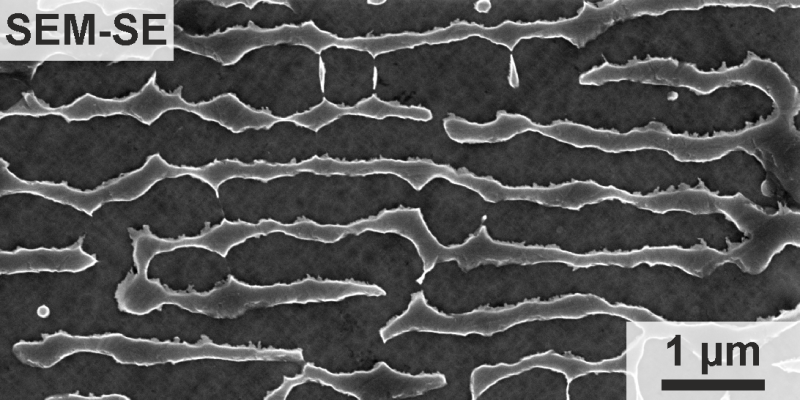
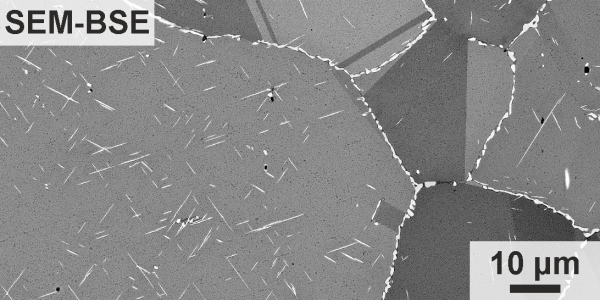
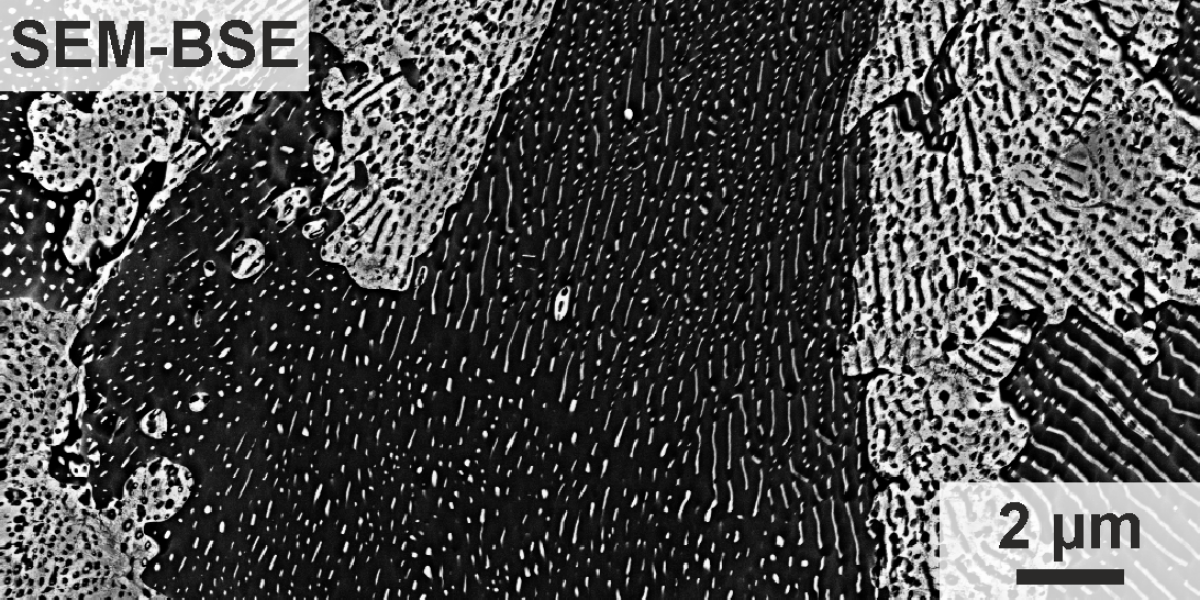
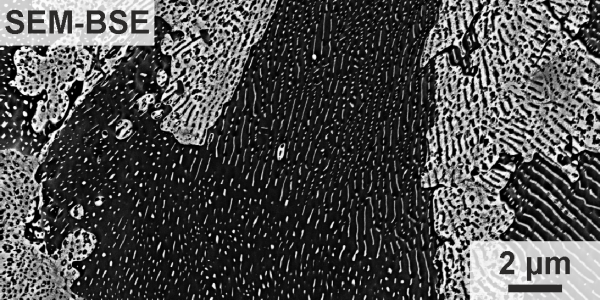
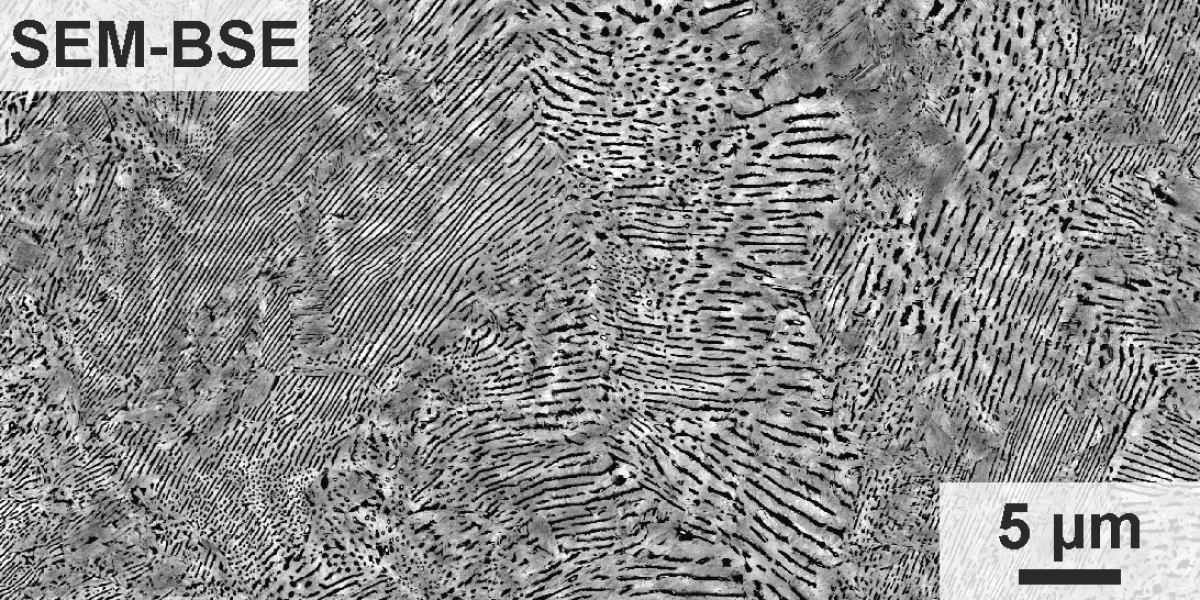
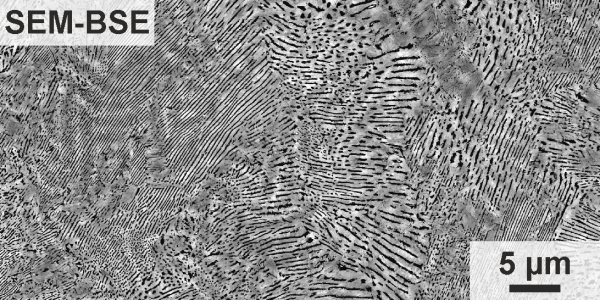
Metallography is a fundamental discipline in materials science, as it provides direct access to the microstructure of engineering materials, especially metals. Through targeted preparation and microscopic analysis of samples, information about microstructural features such as dislocations, grains, phase and precipitates become available and can be quantified. Metallography therefore provides an essential basis for understanding the relationships between processing, microstructure, and the resulting properties of a material. It is thus indispensable for achieving our research goals.
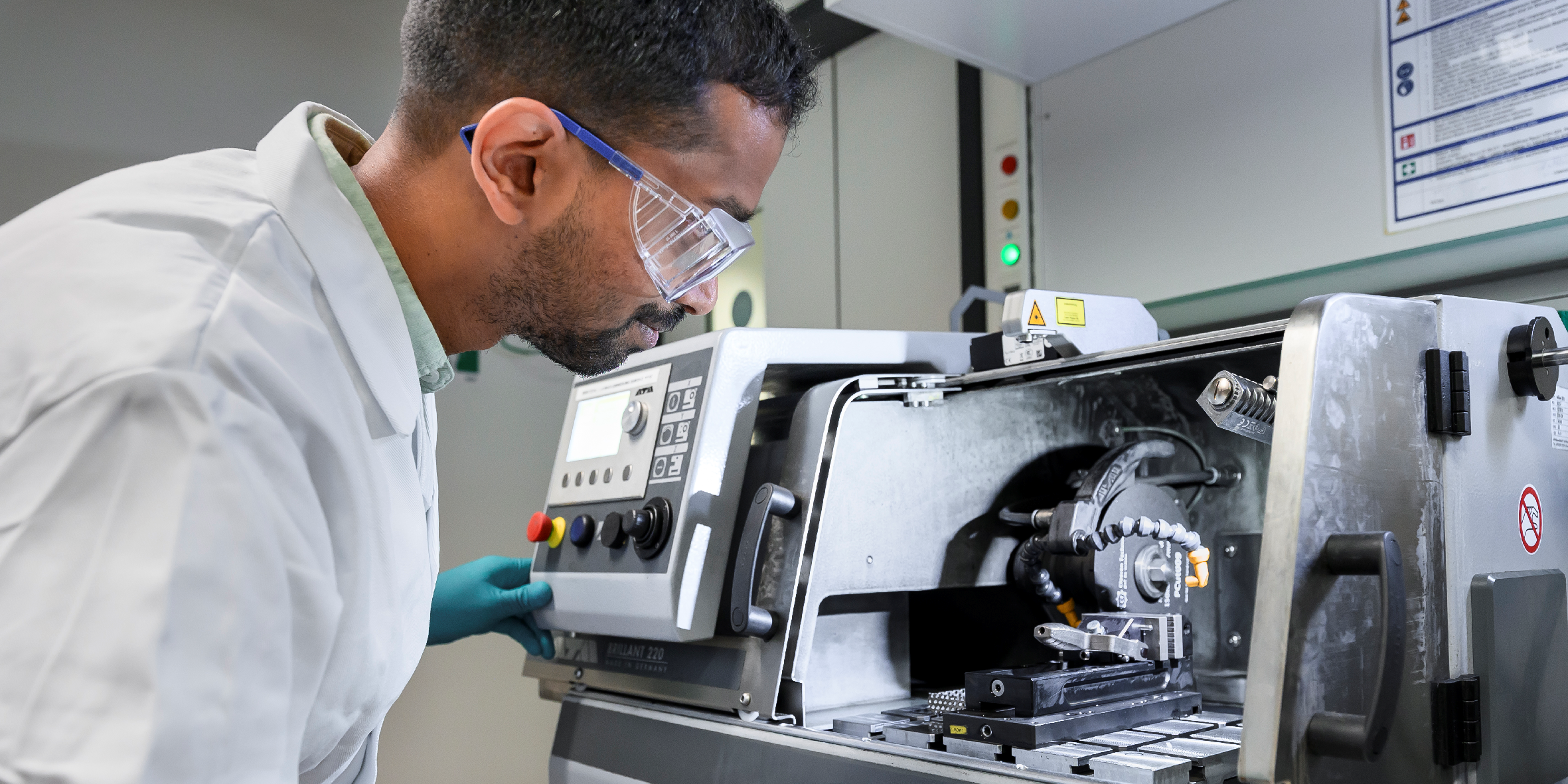
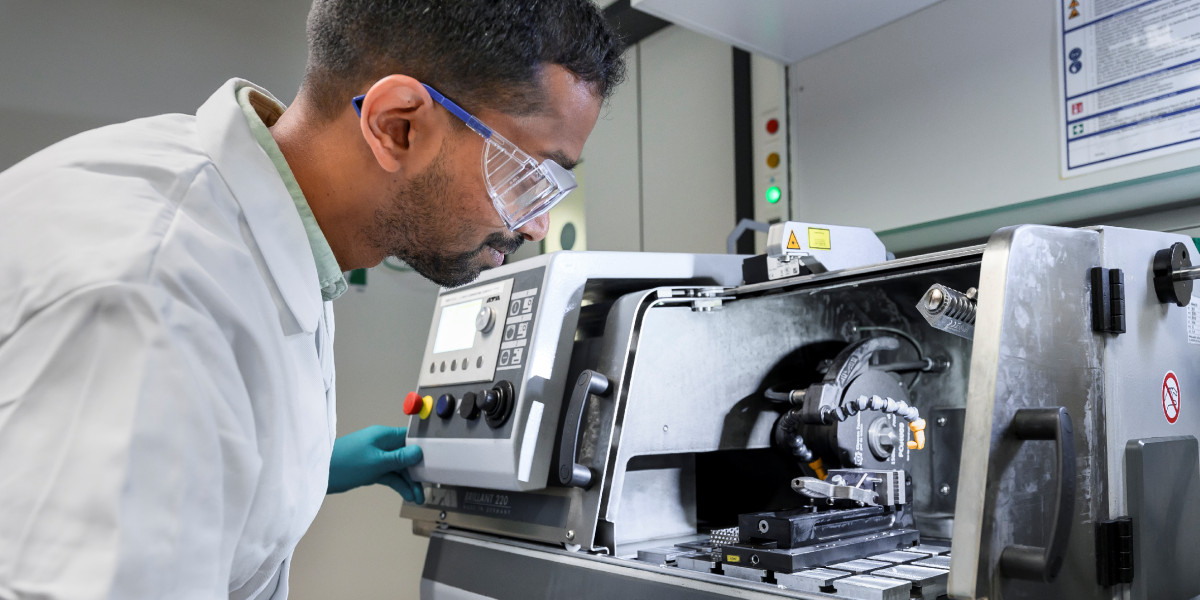
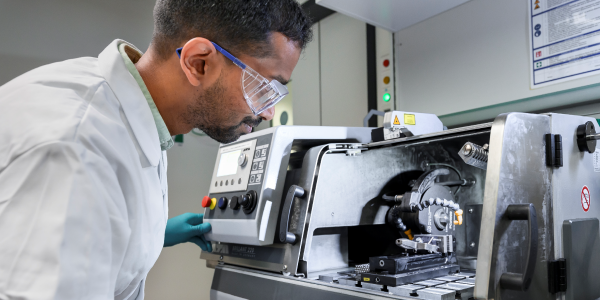
At the Chair for Materials Science and Engineering, extensive preparation facilities are available for this purpose. For sample extraction and cutting of a wide range of materials, several coarse and fine wet abrasive cutting machines can be used. In collaboration with the central workshop of the Faculty of Mechanical Engineering, electrical discharge machining and water jet cutting is available as well. Depending on the specific requirements, the samples can subsequently be hot mounted or, alternatively, cold mounted, for example in the case of temperature-sensitive materials or special sample geometries.
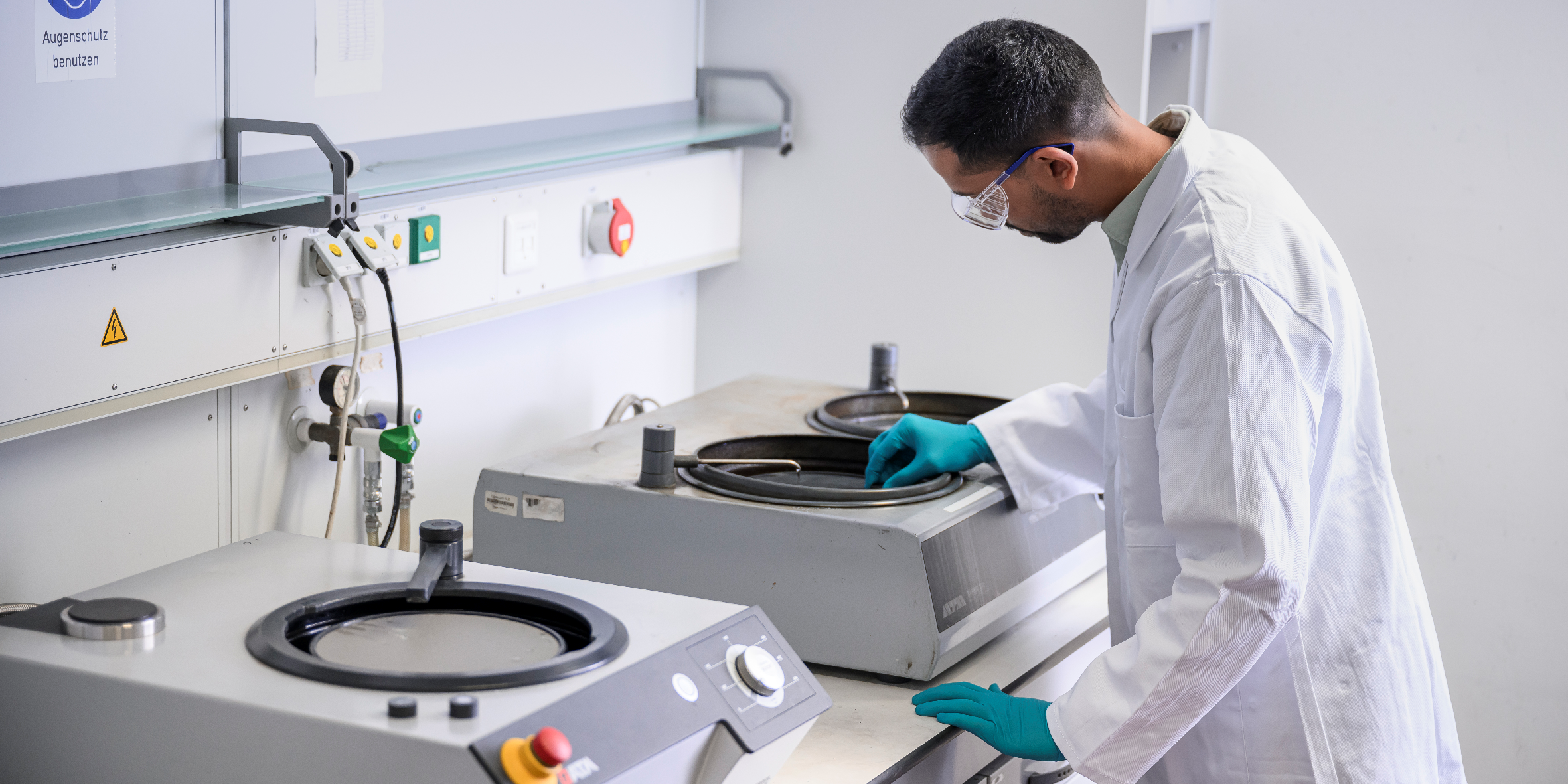
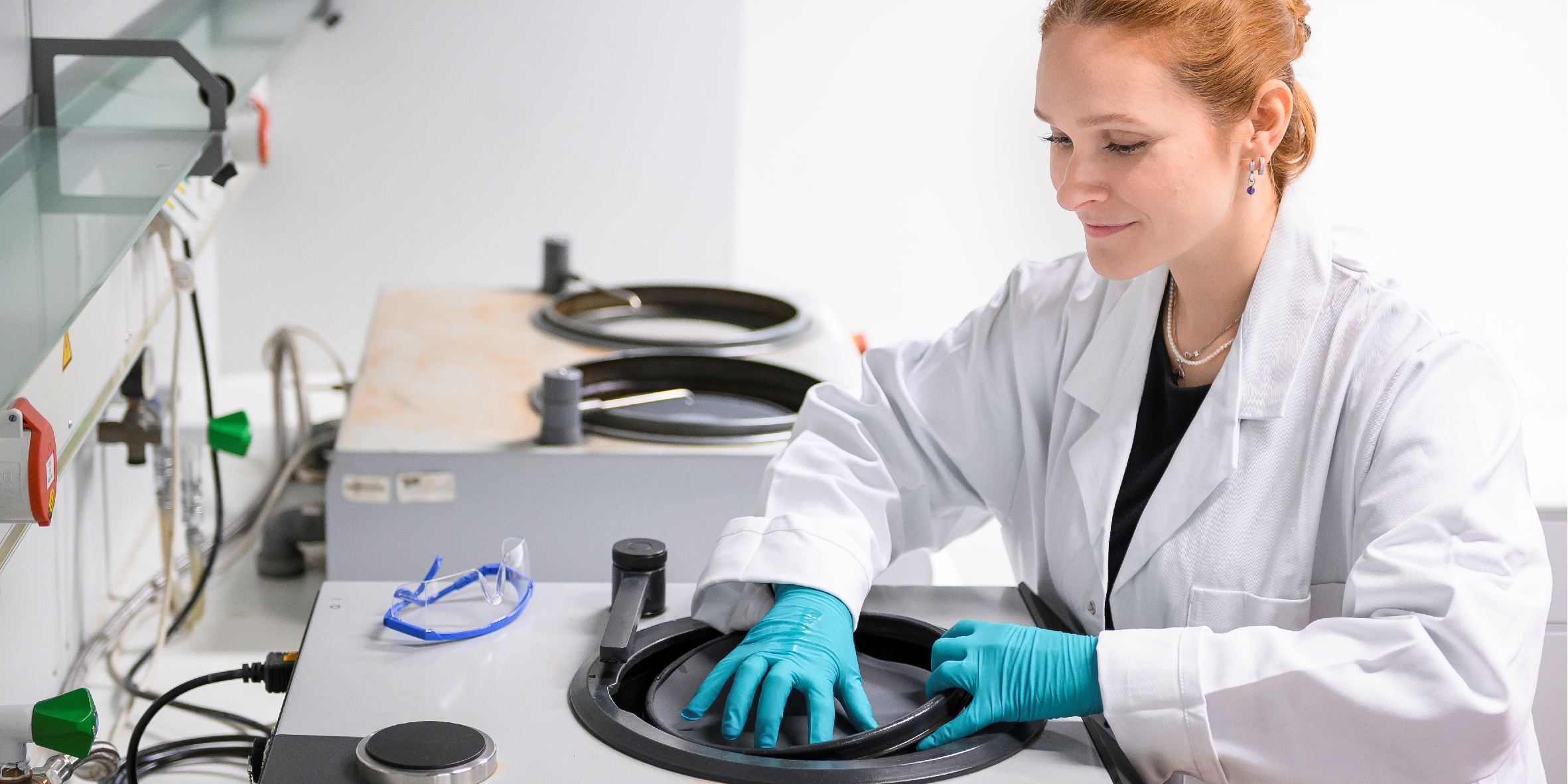
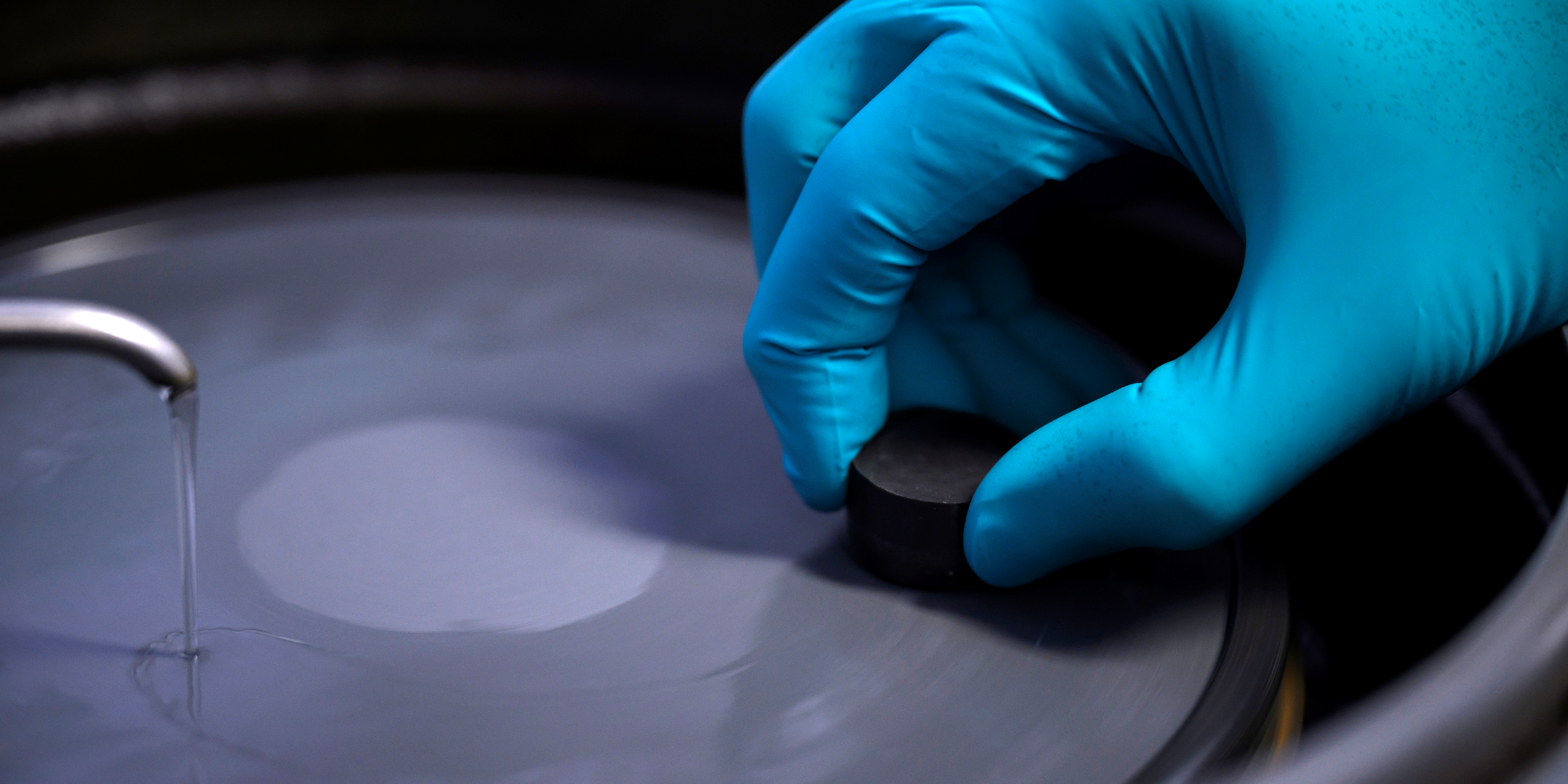
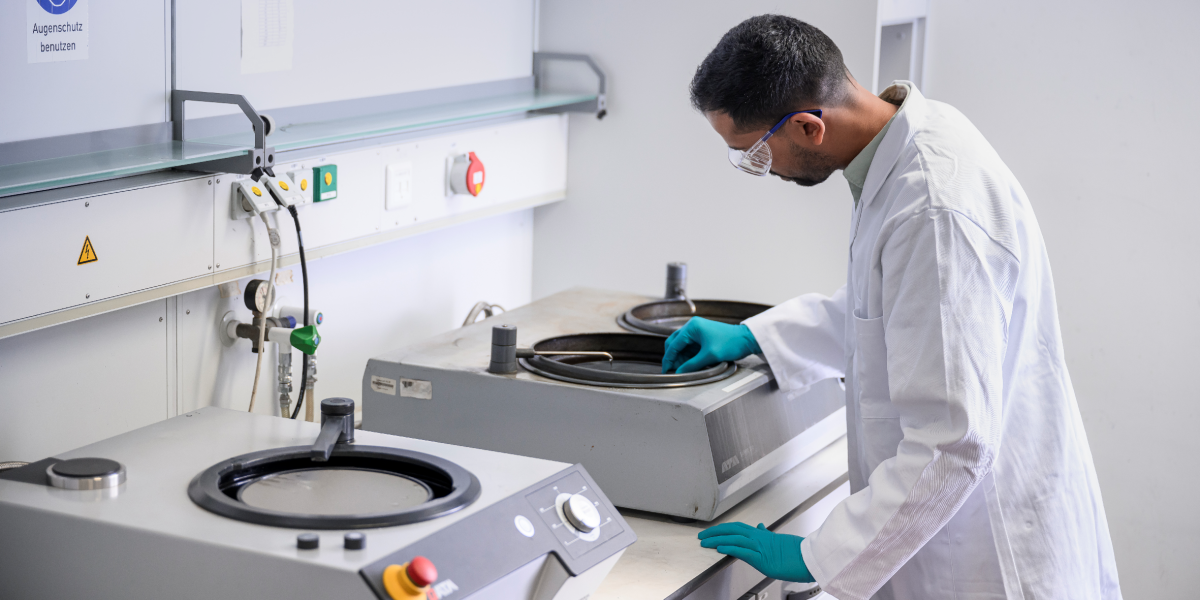
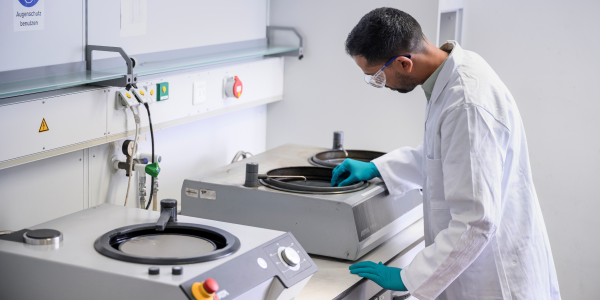
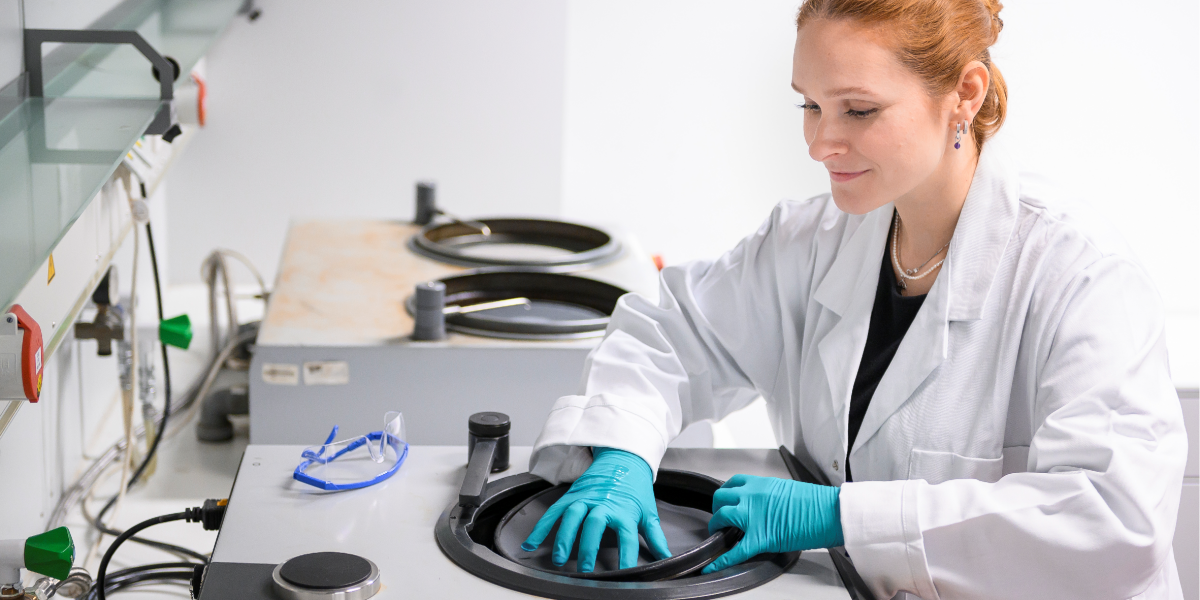
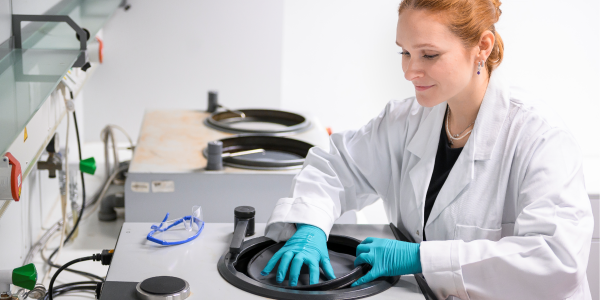
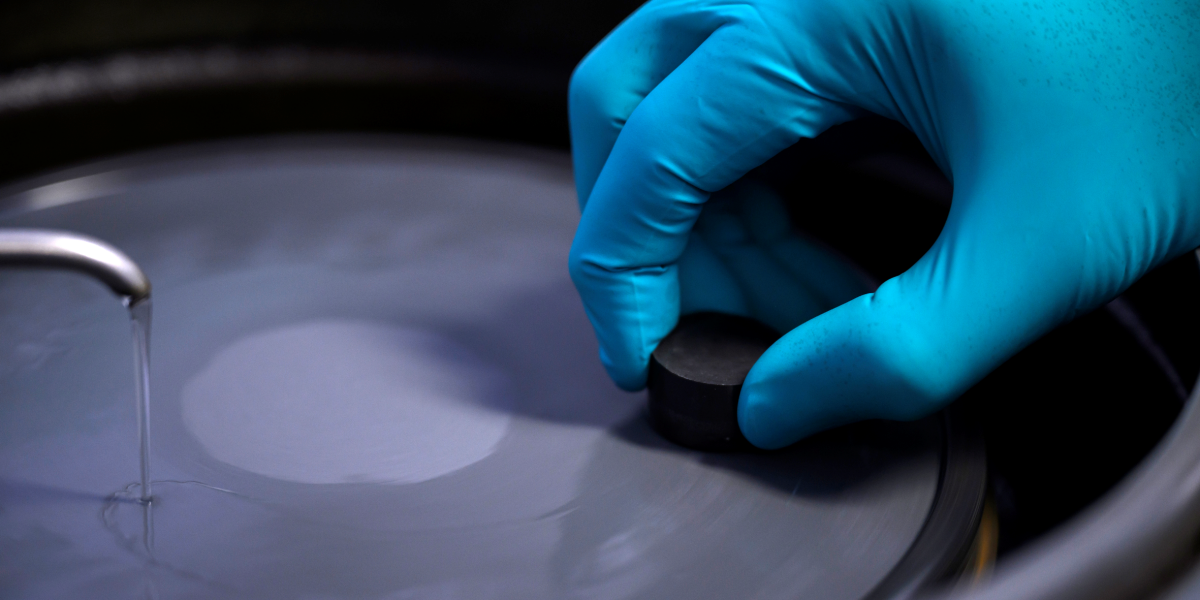
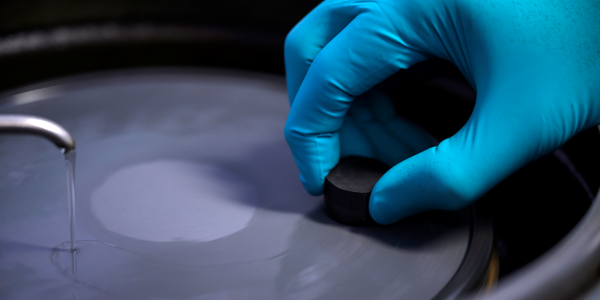
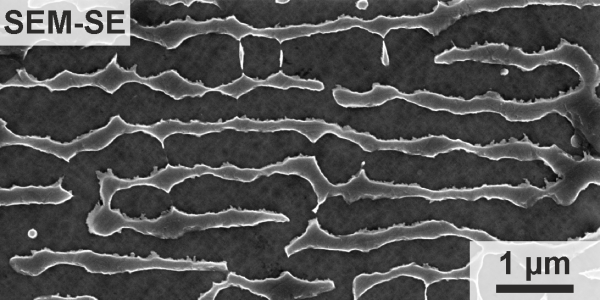
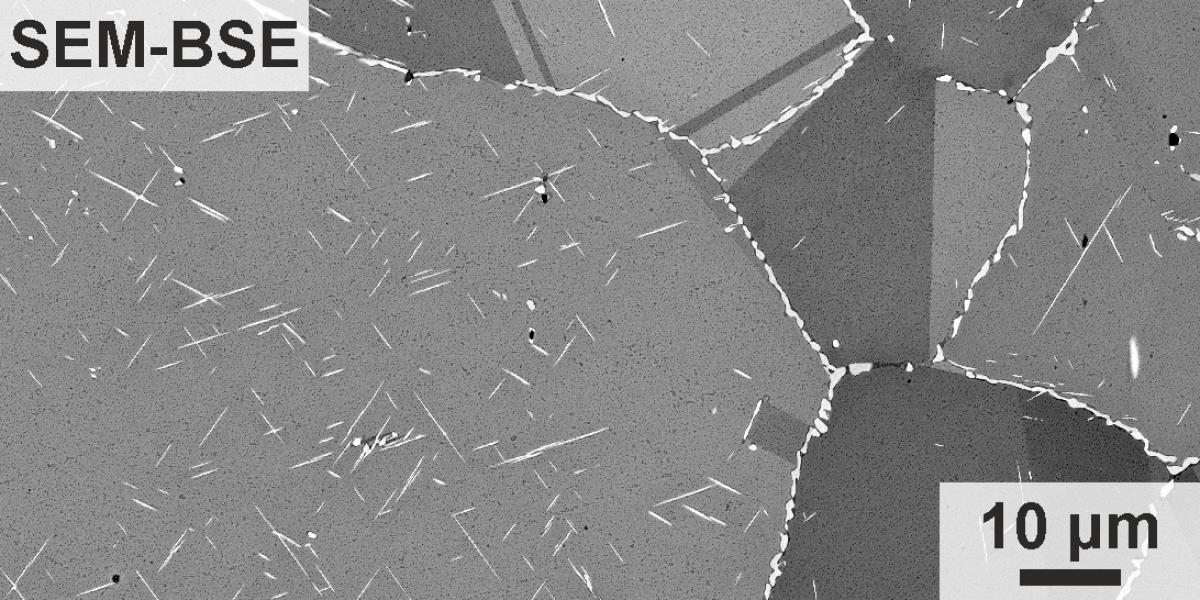
For further surface preparation, both manual grinding and polishing machines as well as semi-automatic polishing systems are available. This enables reproducible preparation results for different material classes and characterization methods. For contrast generation, material- and microstructure-specific etching procedures are applied to reveal relevant microstructural features. Light optical microscopy (LOM) represents an important first step in microstructural characterization. For particularly challenging scanning electron microscopy (SEM) analyses, such as electron backscatter diffraction (EBSD), surfaces with minimal deformation can be produced by vibratory or electrolytic polishing.
Copyright © LWW 2026
Last update: Jul 31, 2026