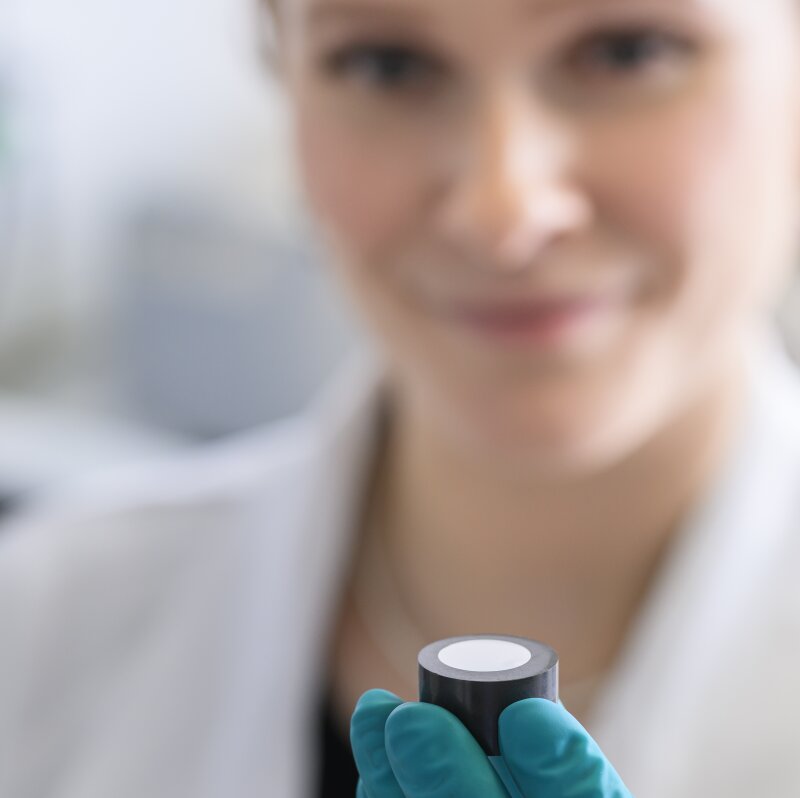
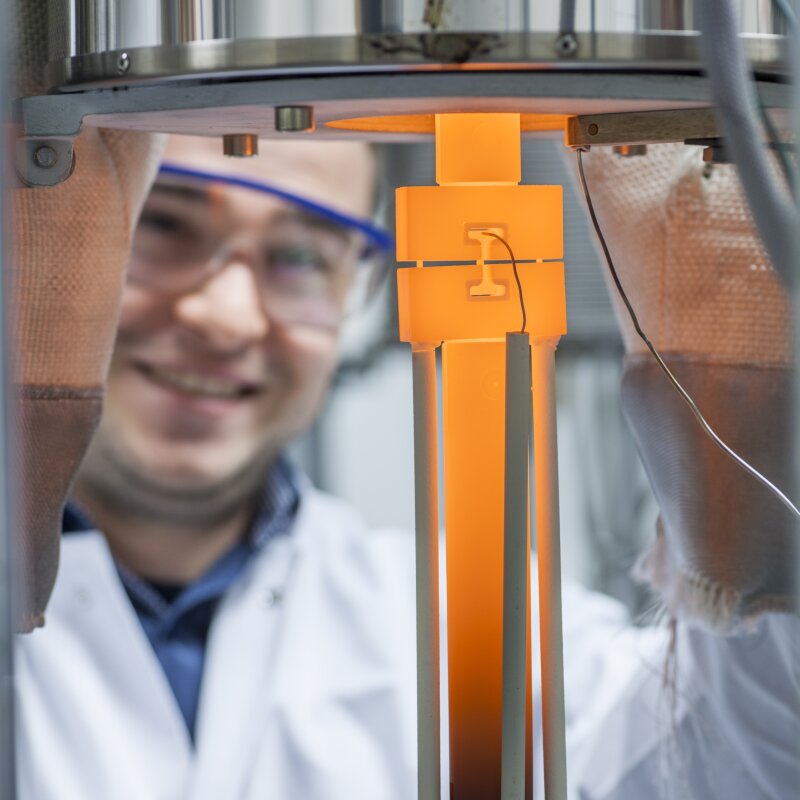
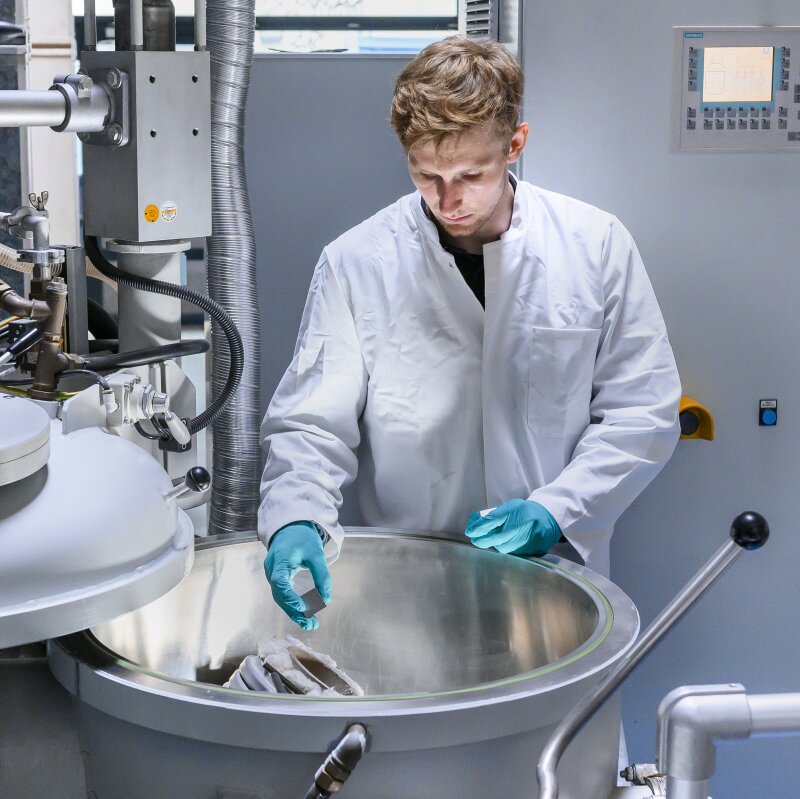
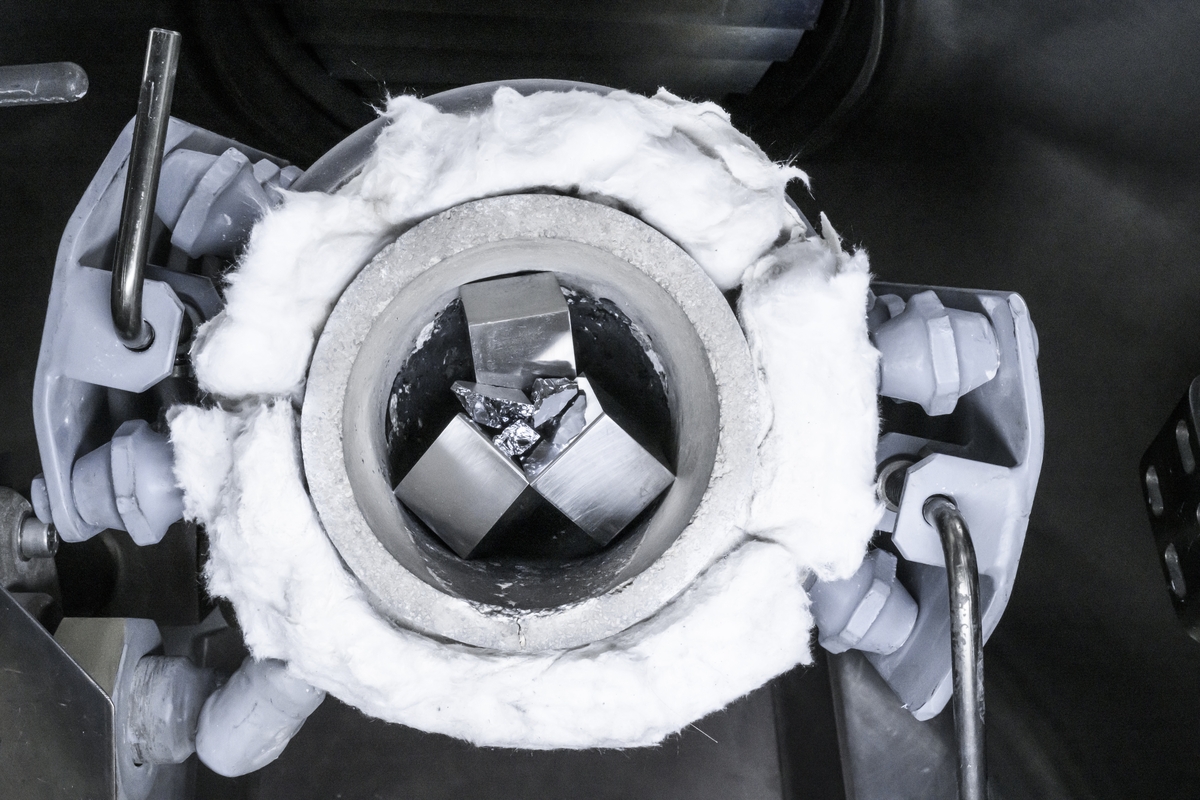
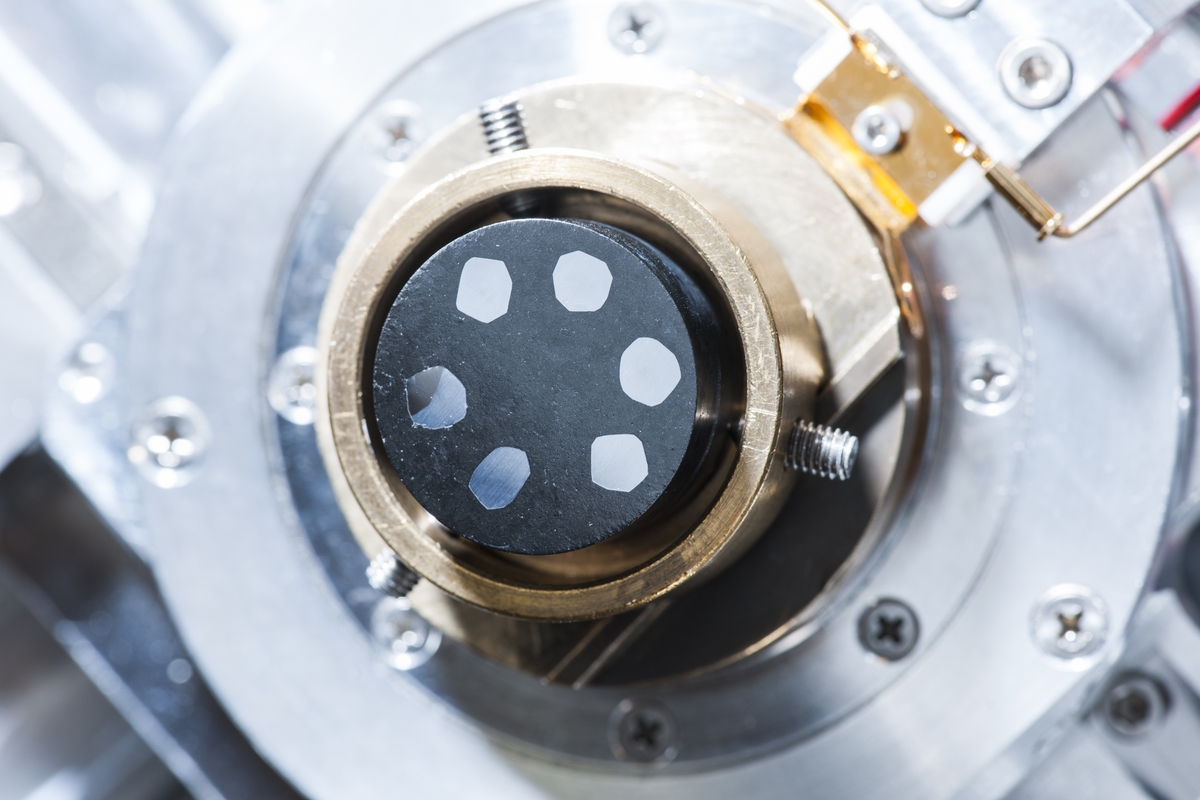
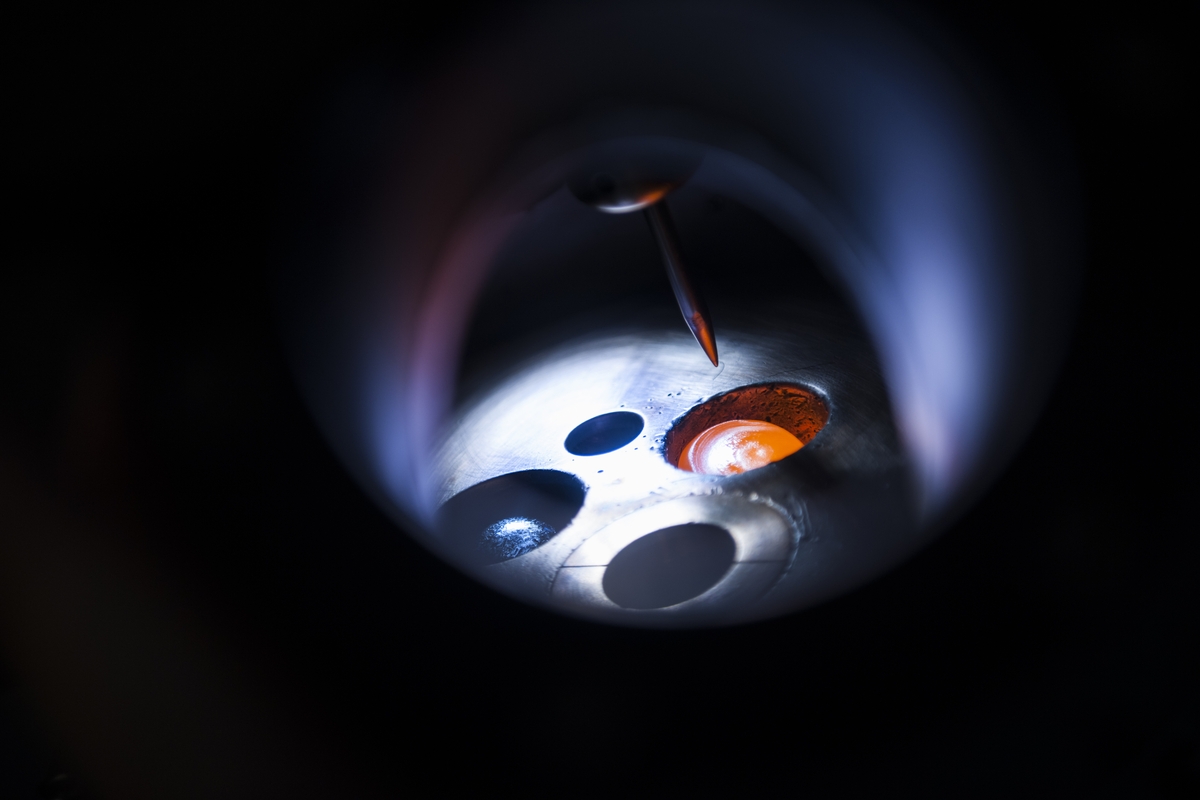
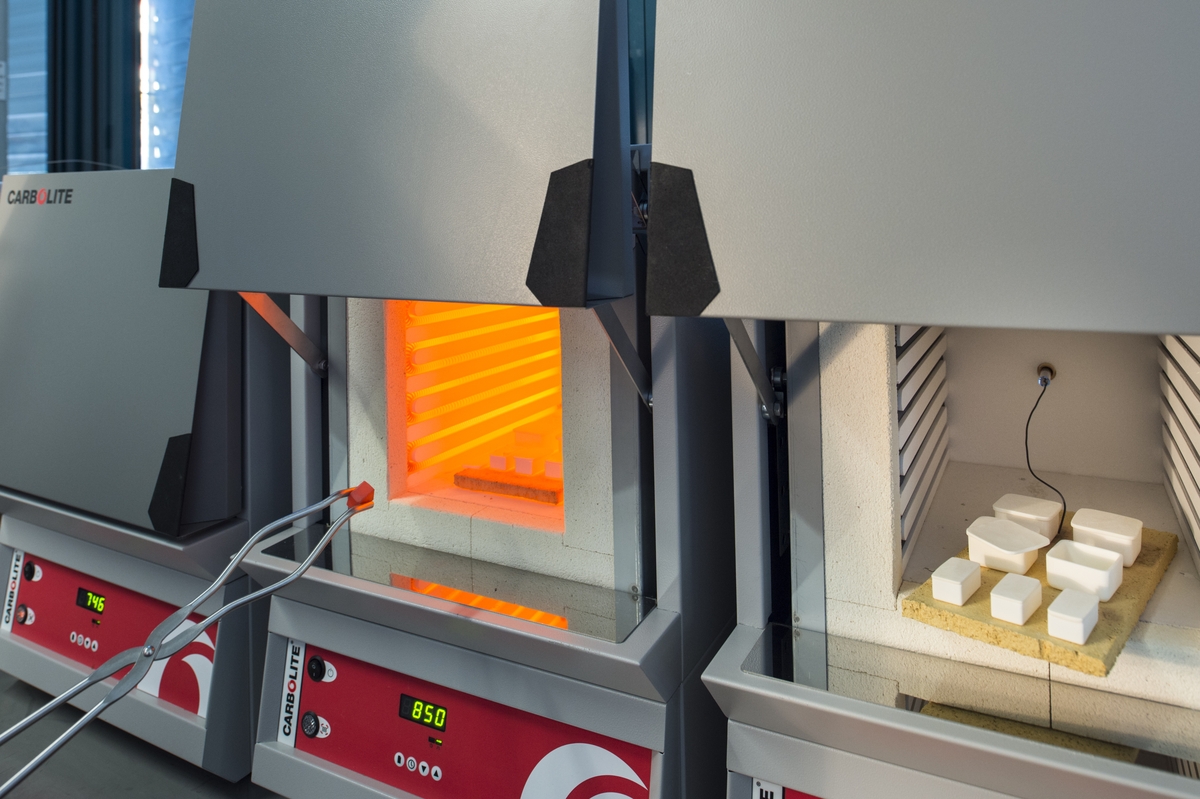
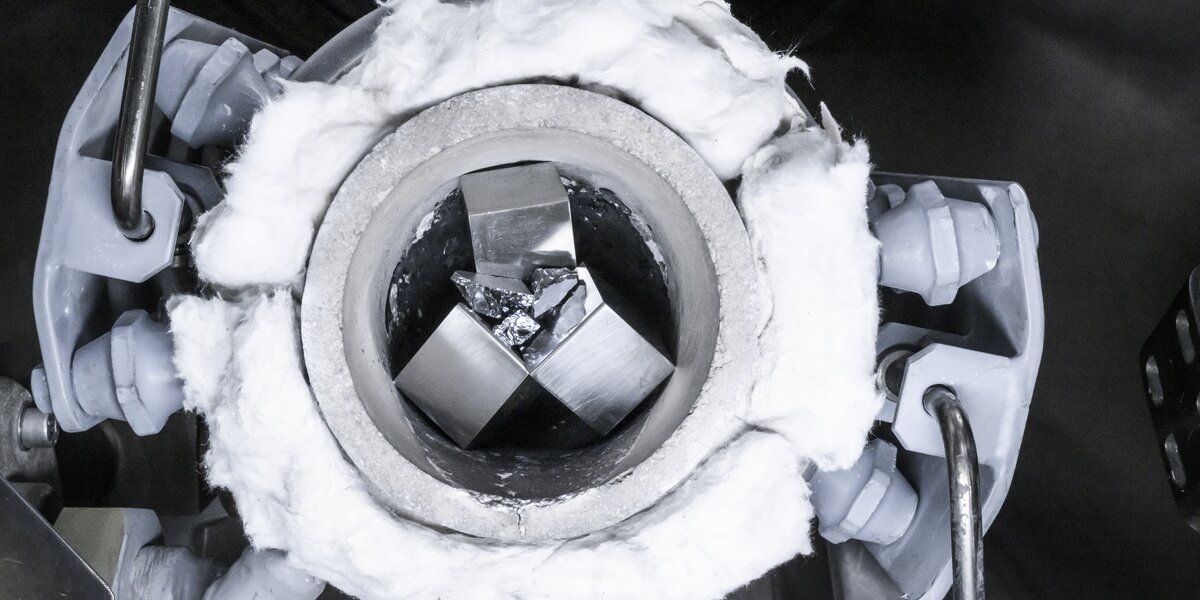
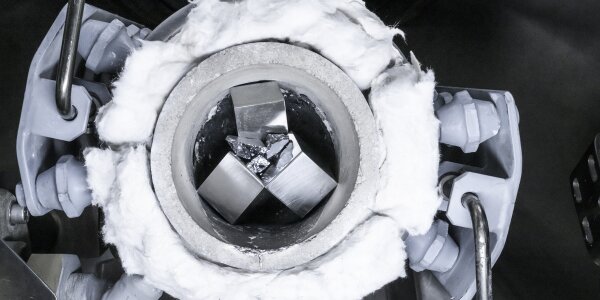
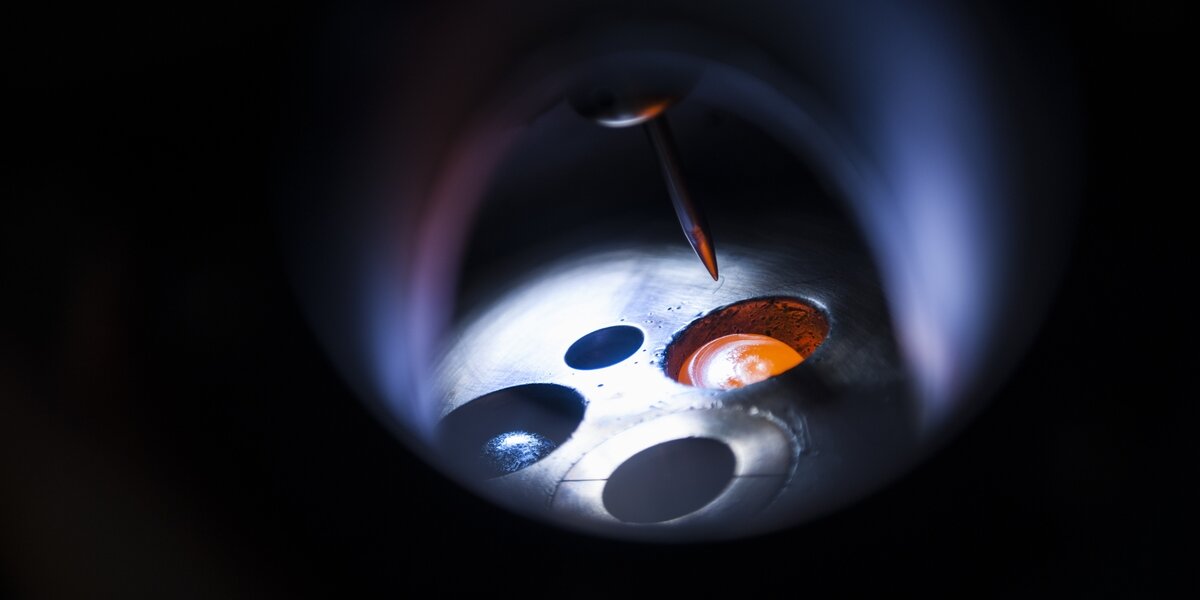
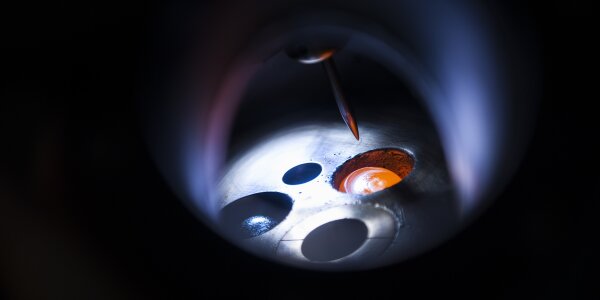
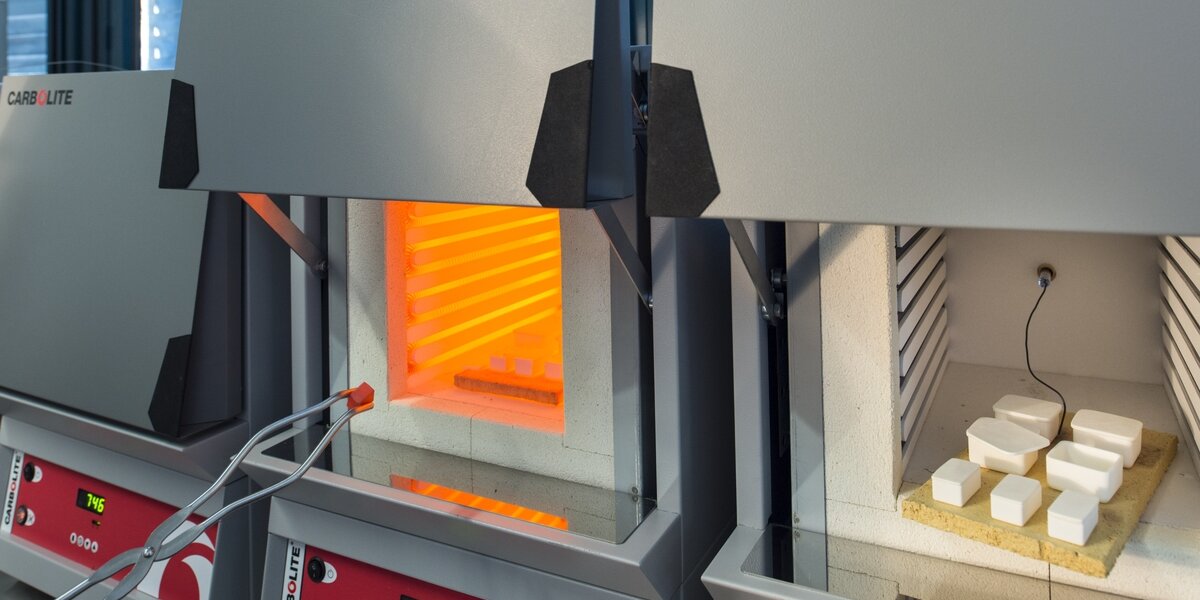
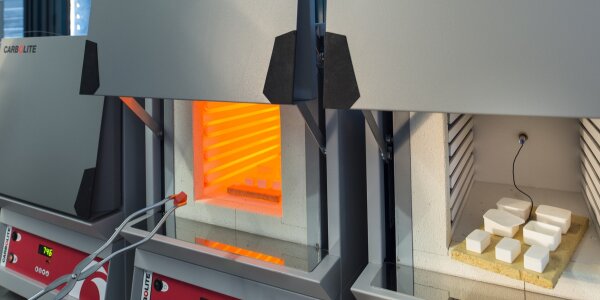
We precisely set material conditions using cast-metallurgical and thermos-mechanical processes. The manufacturing of metallic alloys is carried out through arc melting or vacuum induction melting. These alloys can be directionally solidified using the Bridgman process or further processed to single crystals. Alternatively, a comprehensive range of cold and hot forming options is available for wrought alloys through swaging, rolling, and wire drawing. Polymer materials can be processed by injection molding. This extensive infrastructure is used and operated jointly with our colleagues from the Institute for Materials and is also available to other materials scientists at Ruhr University Bochum and within the framework of our research cooperations.
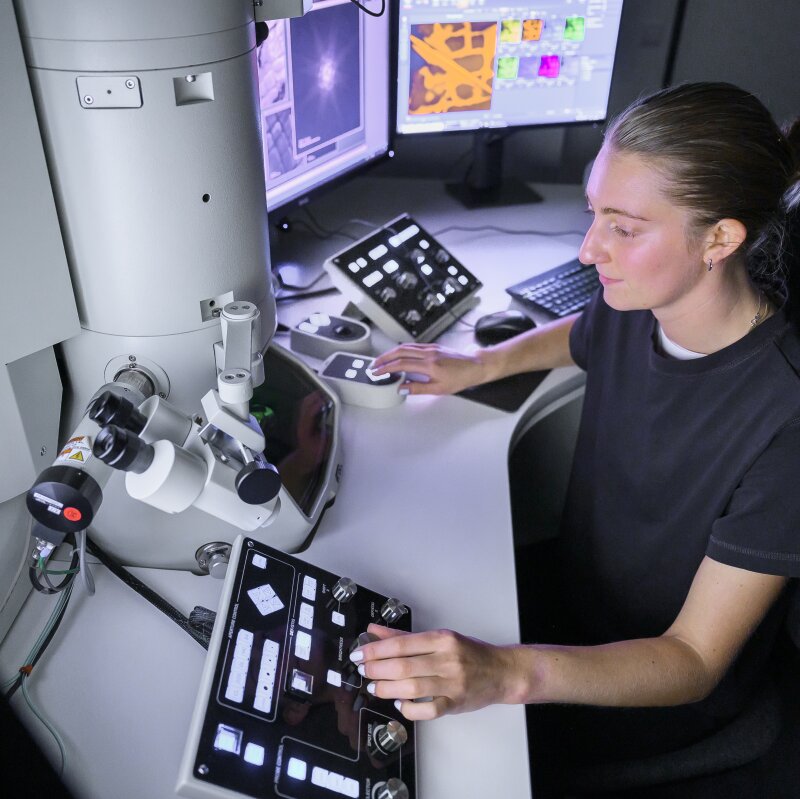
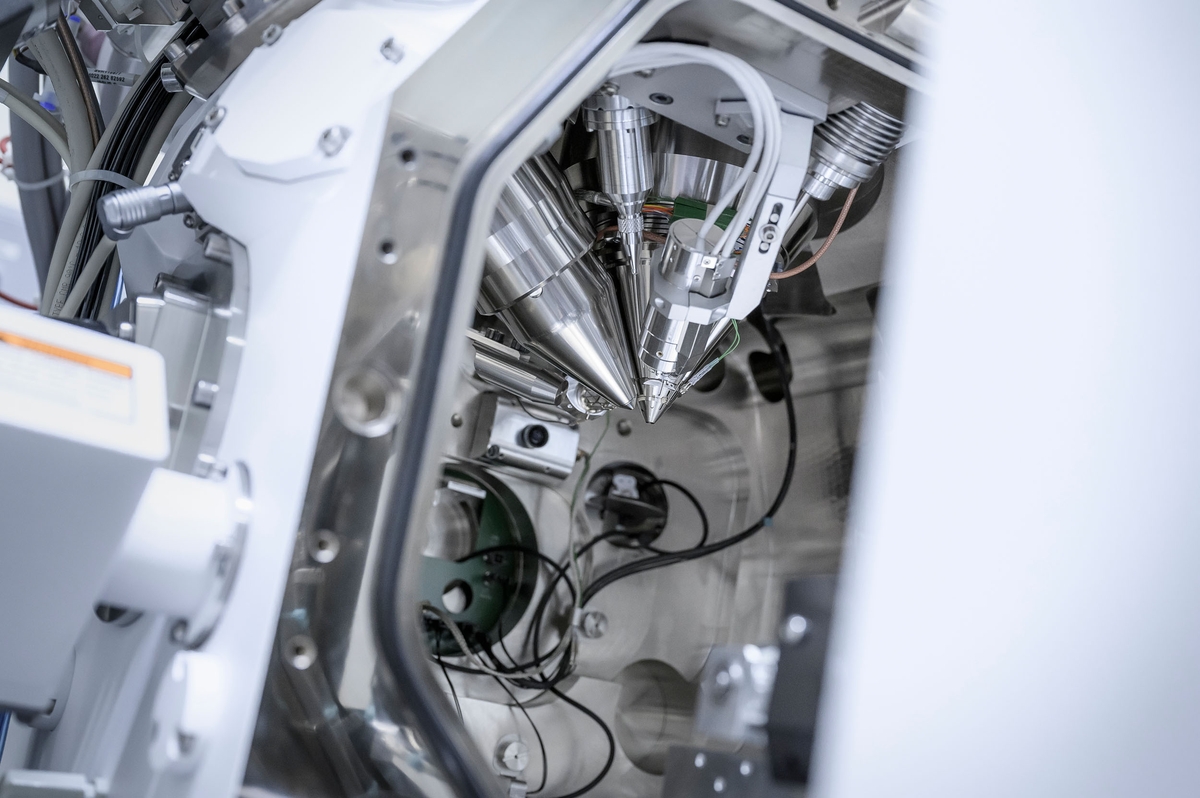
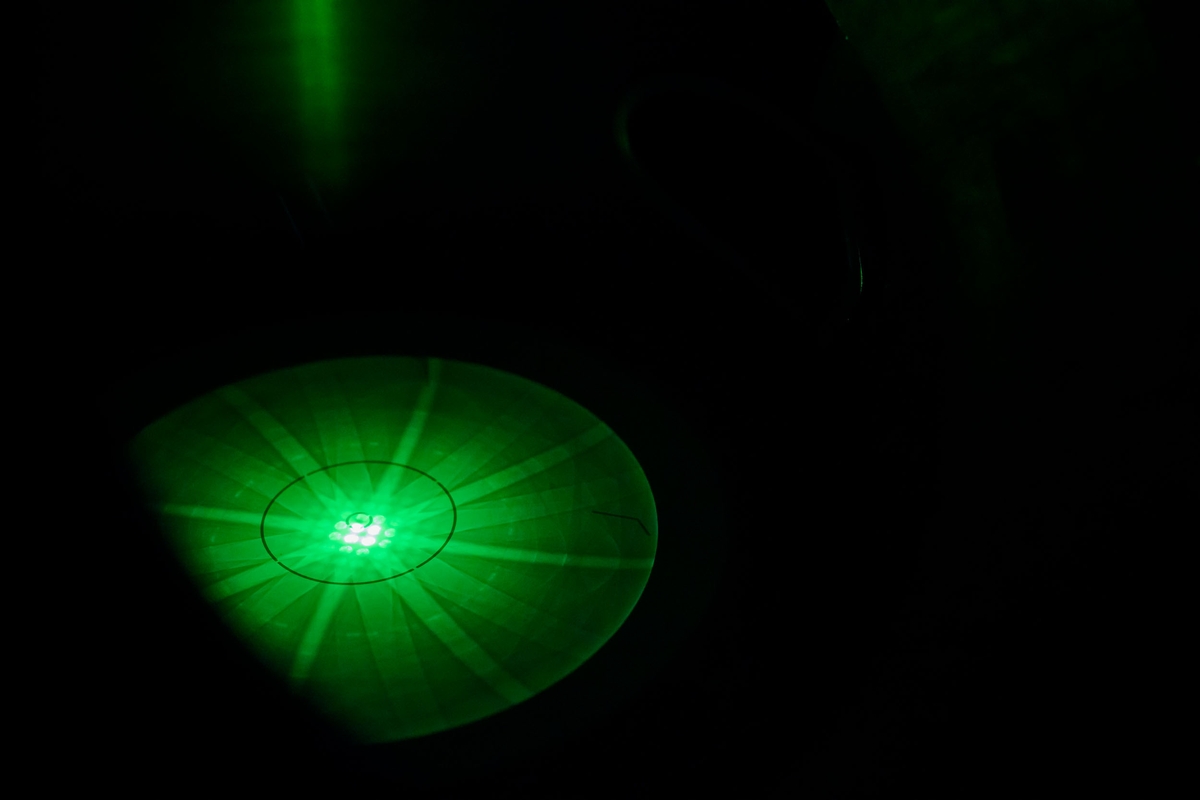
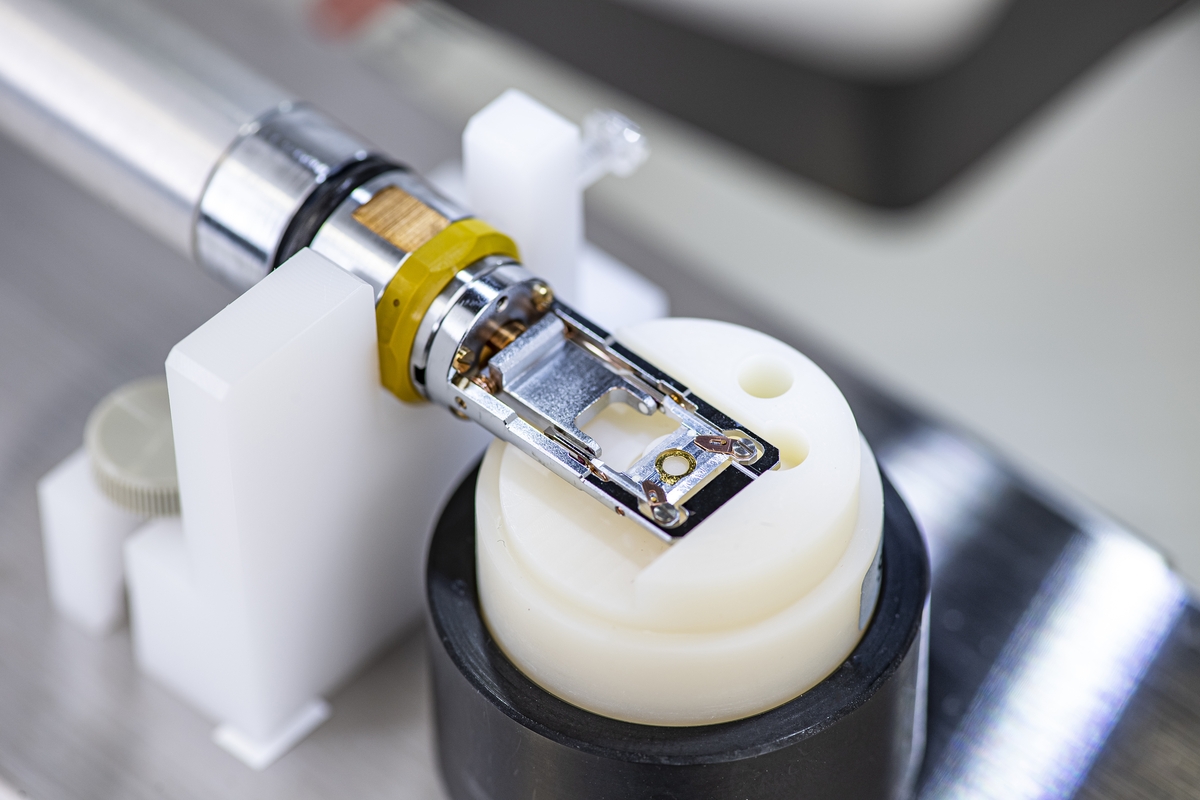
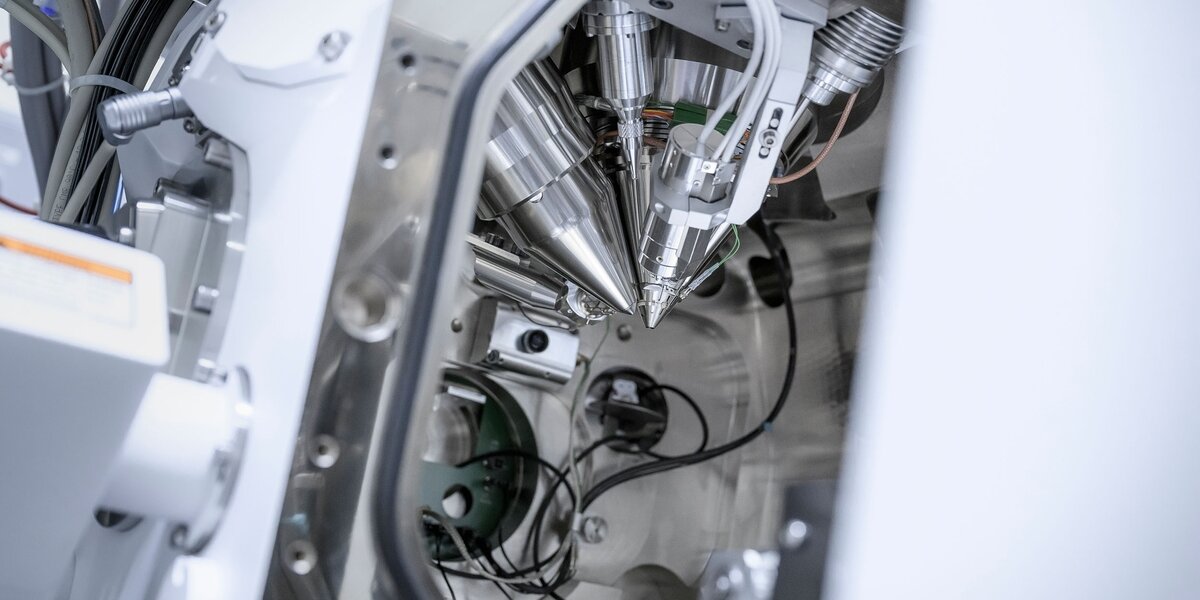
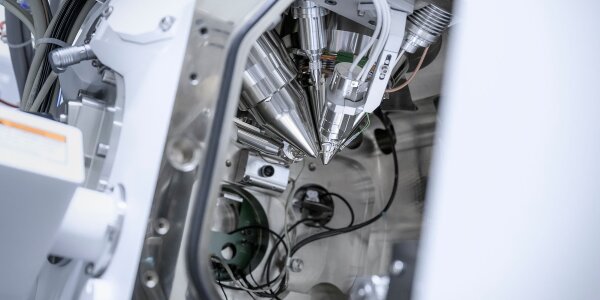
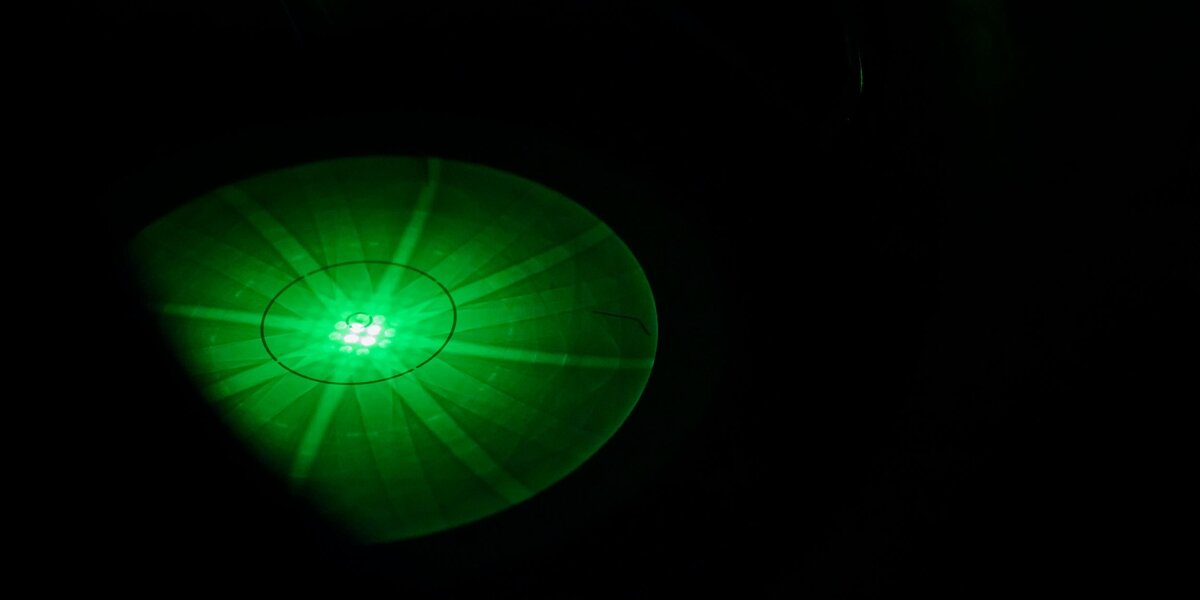
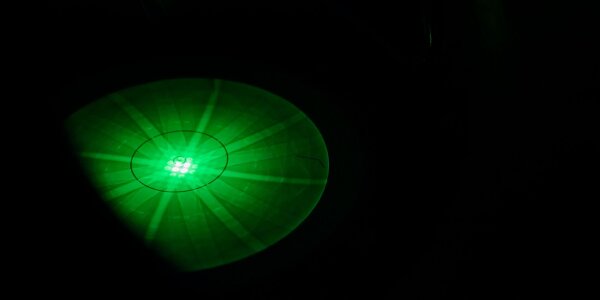
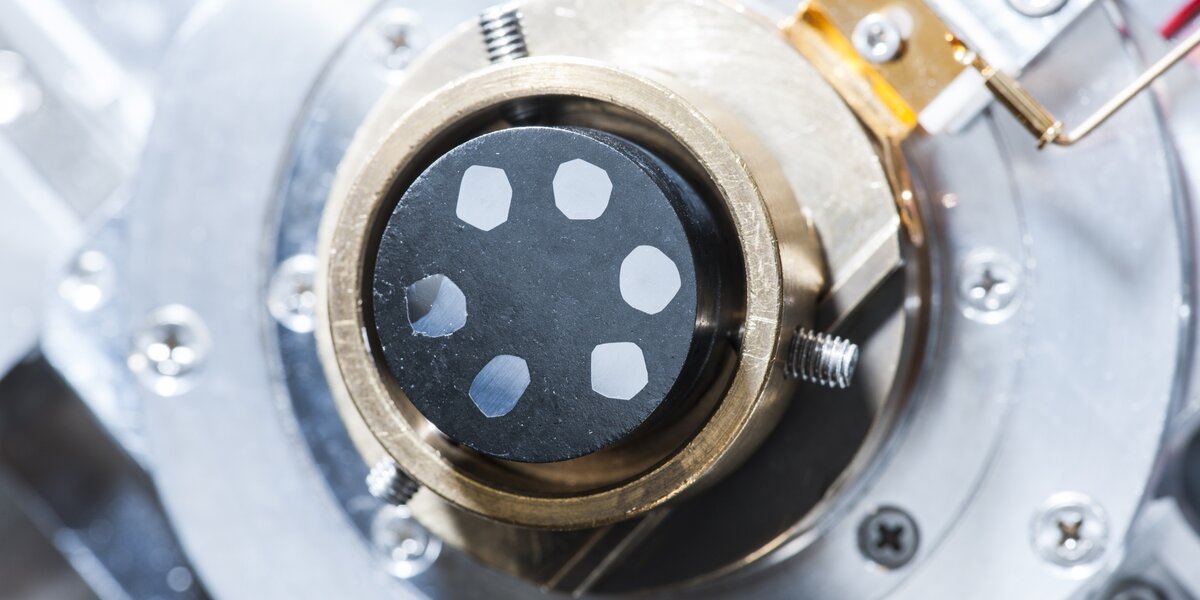
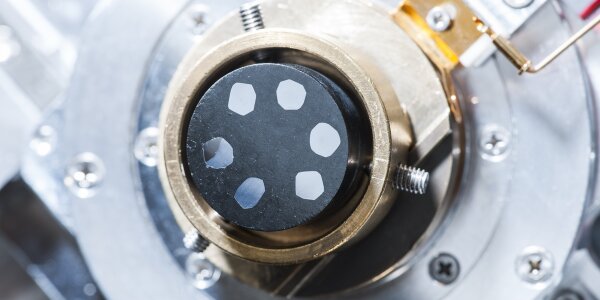
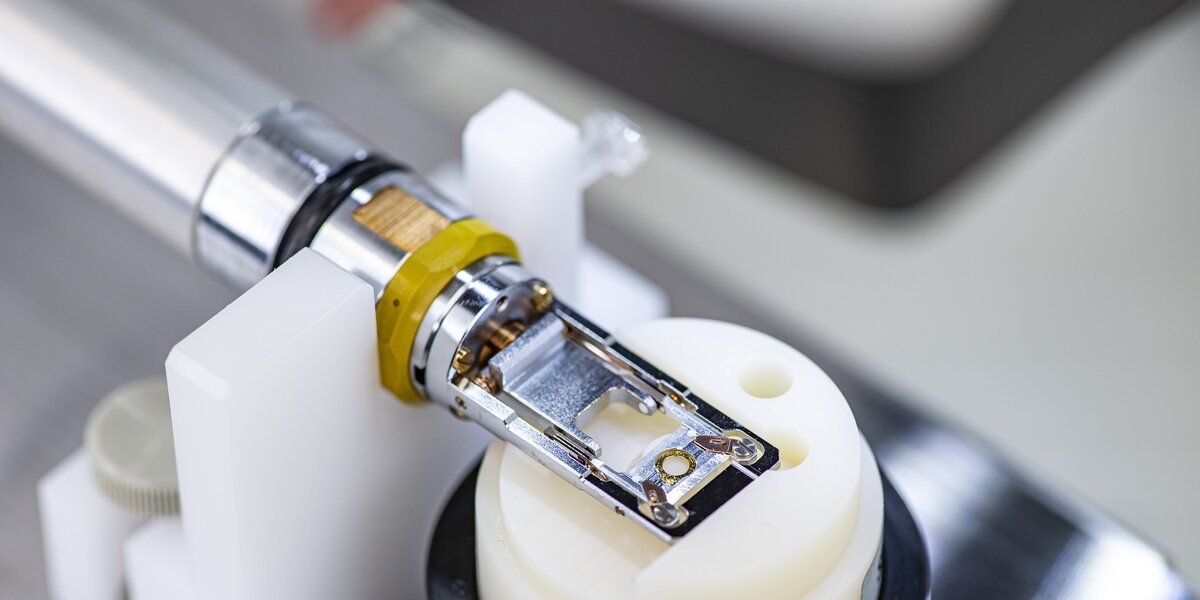
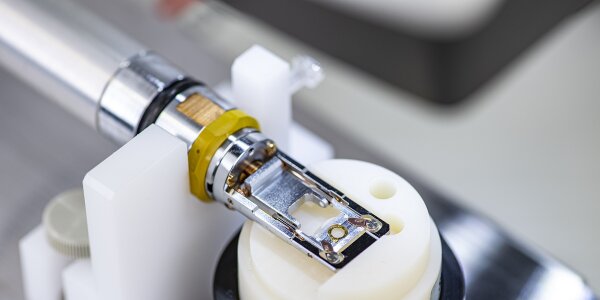
The key properties of all structural and functional materials are determined by elements of microstructures, whose characteristic length scales often lie in the nanometer range. In addition to classical light microscopy, we primarily use analytical transmission and scanning electron microscopy as central characterization methods at the chair. Essential details of the microstructure can only be quantitatively captured with the help of transmission electron microscopes. These are tasks aimed at solving fundamental questions that cannot be easily managed in terms of time and organization in a user center and direct access is required. Orientation distributions in polycrystalline systems require high-resolution orientation imaging scanning electron microscopy. All these microscopy techniques require high-quality sample preparation. For this purpose, we operate a comprehensive metallography. In addition, for specific questions, e.g., transmission electron microscopy at the highest lateral resolution, we use the facilities and support of the Center for Interface-Dominated High Performance Materials (ZGH).
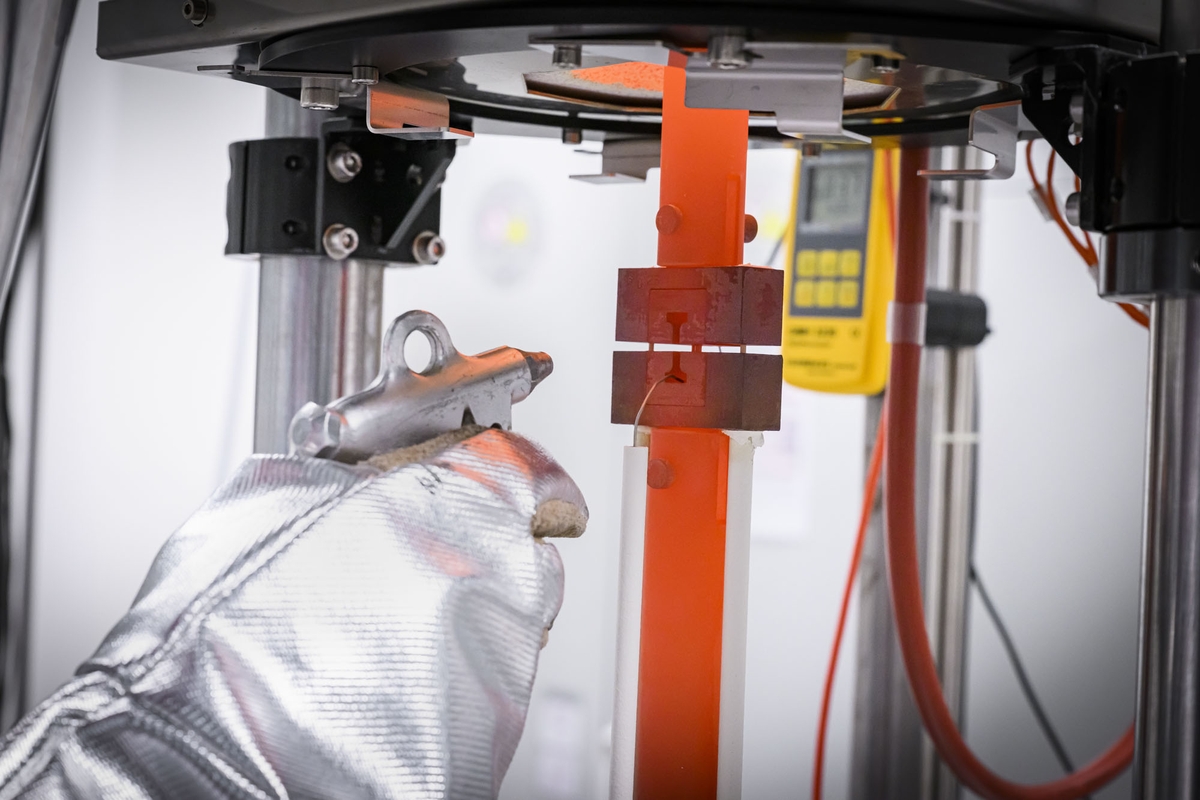
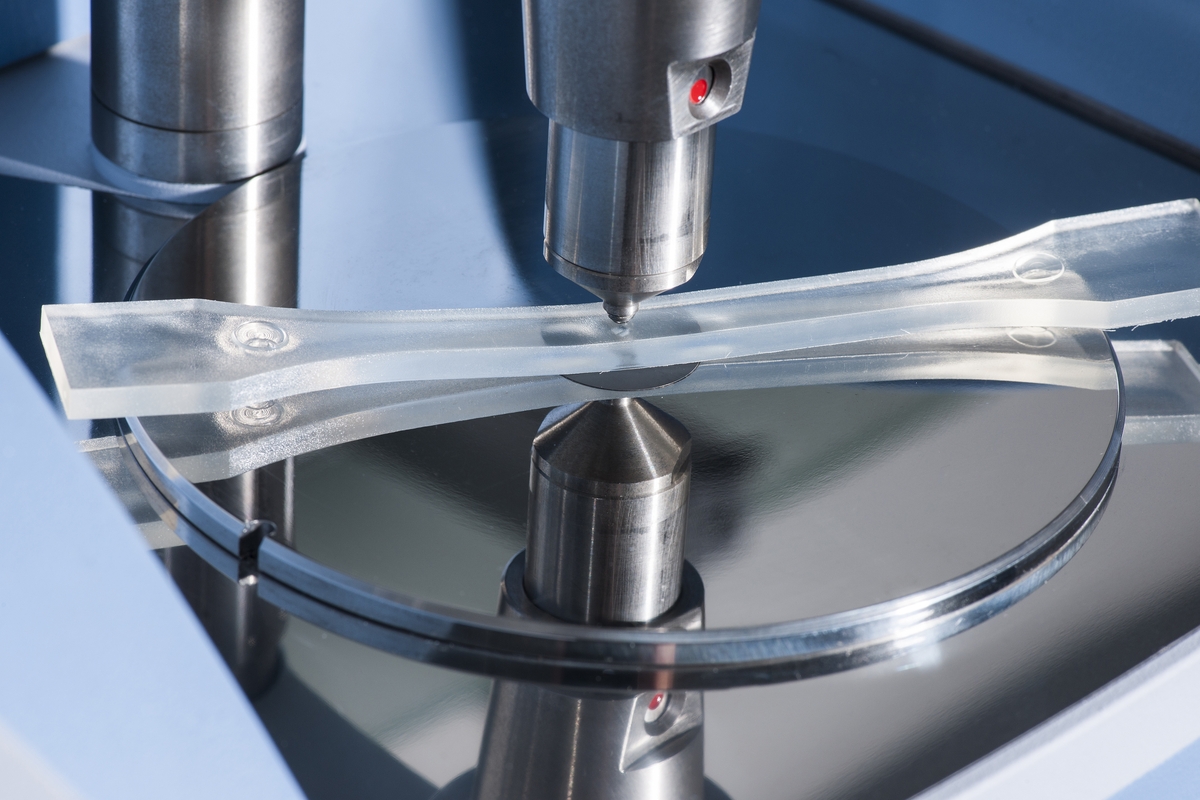
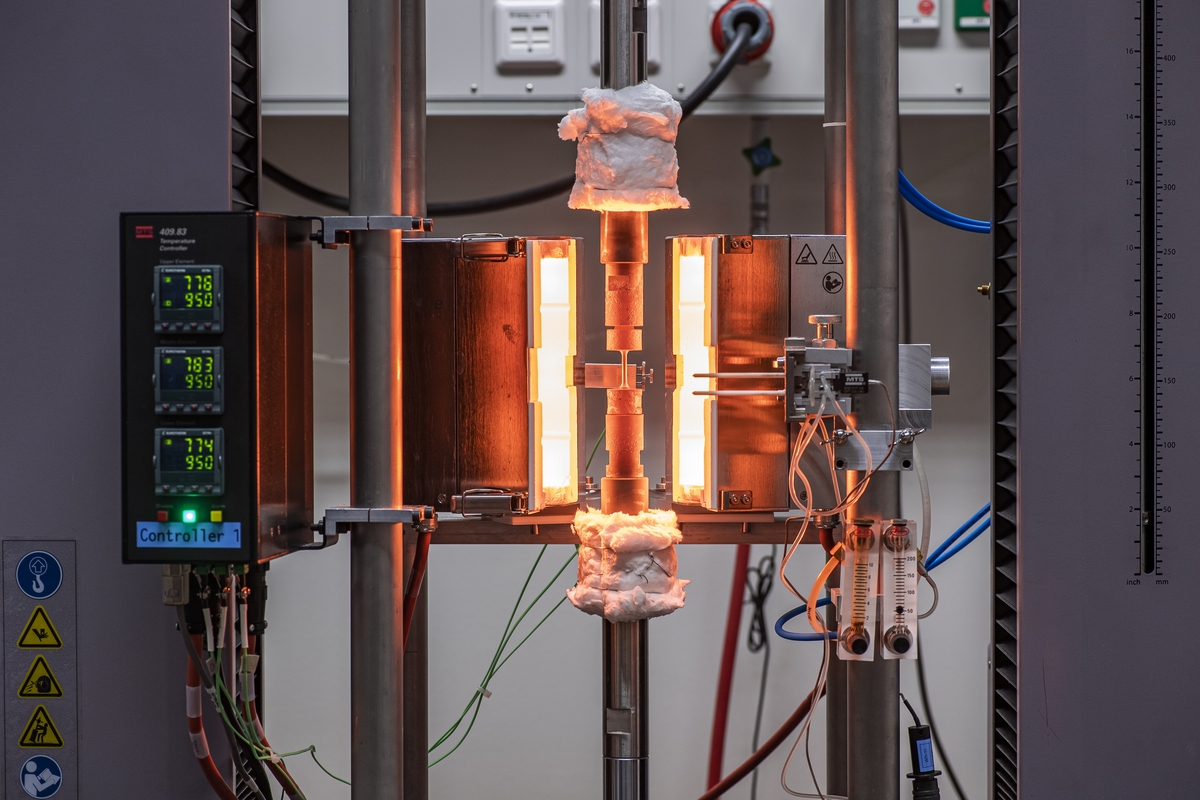
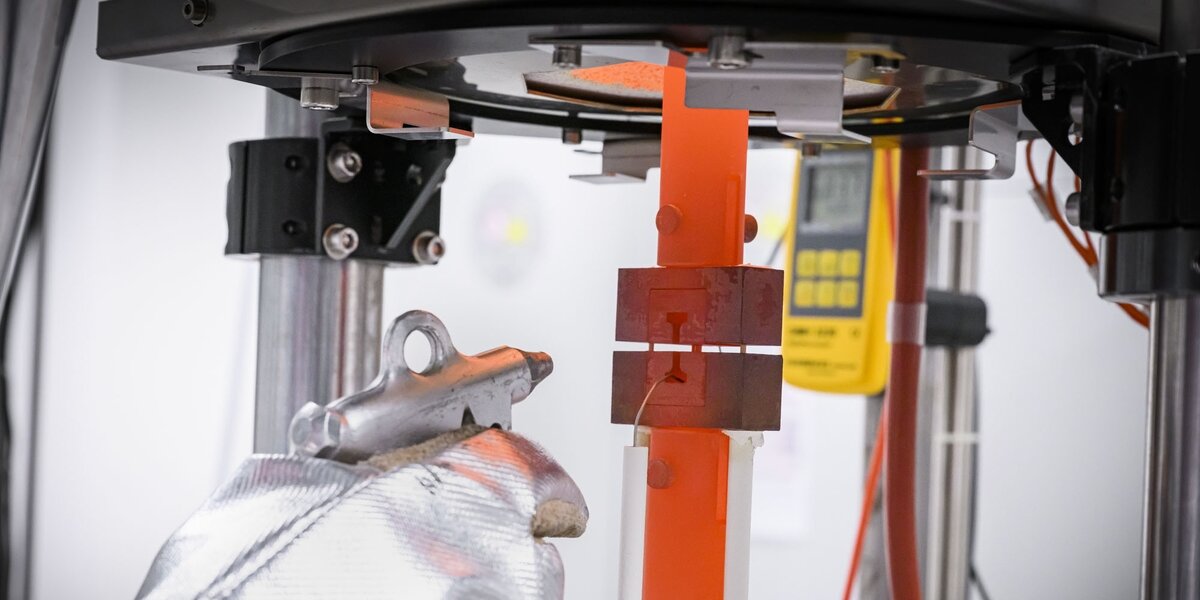
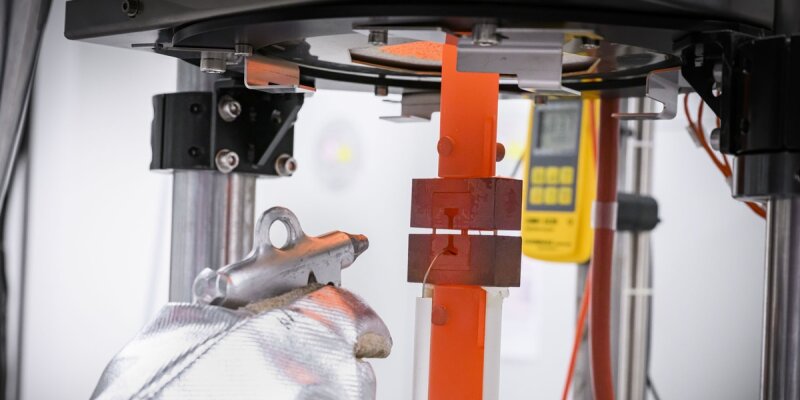
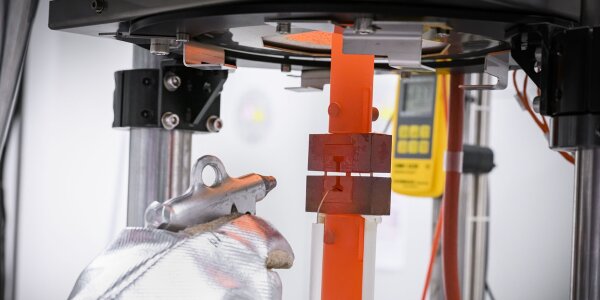
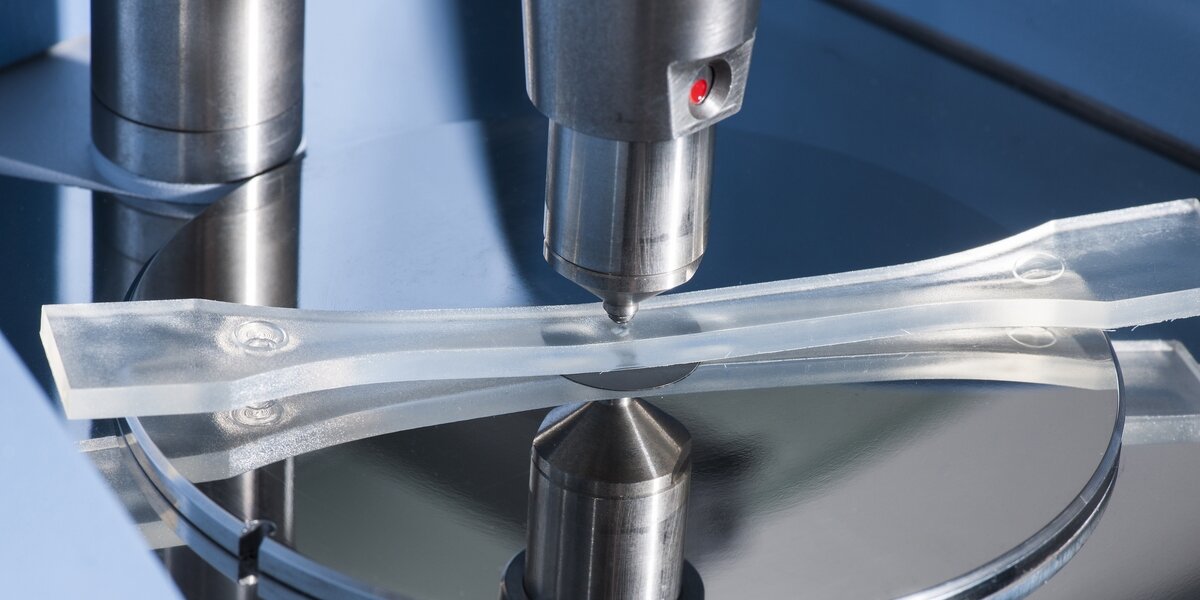
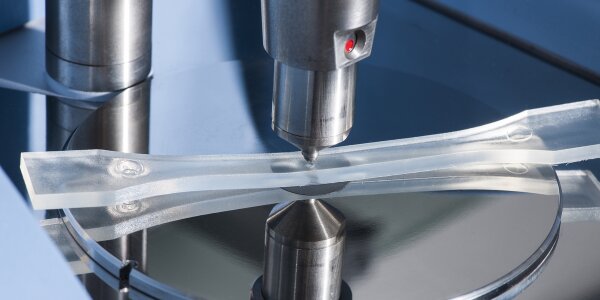
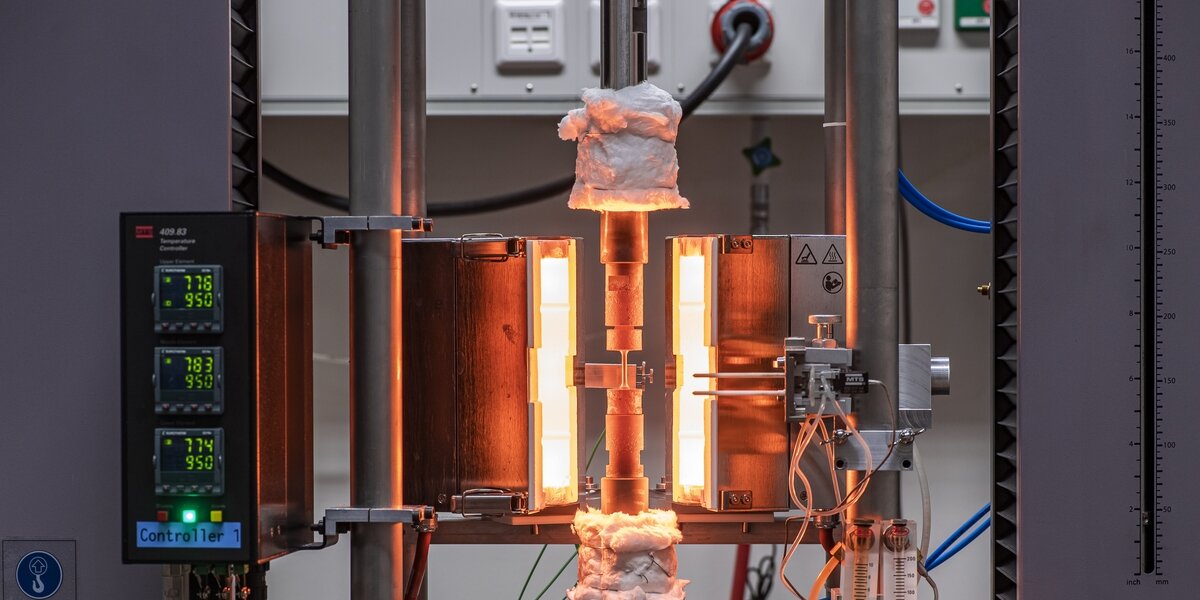
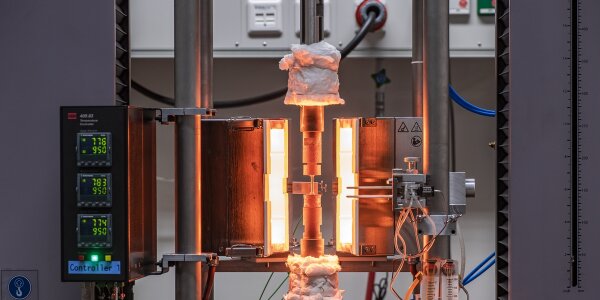
At the chair, we can track the deformation behavior and mechanical properties under extreme conditions. Our mechanical material testing focuses on the characterization of time-dependent, plastic deformation at high temperatures. In cooperation with colleagues from the Institute for Materials, we also use all common mechanical material testing methods, including testing at temperatures down to 77 K. Deformed microstructures are then microscopically examined to reveal fundamental deformation mechanisms.
Our infrastructure is directly integrated into our teaching. The relevant basics are taught in lectures, and their application is conveyed in a research-oriented manner, particularly through practical courses.
Copyright © LWW 2026
Last update: Jul 28, 2026