Dr. rer. nat. Klaus Neuking
Dr.-Ing. Burkhard Maaß (Ingpuls GmbH)
Lecture no.: 136240
Semester: Summer Term
Language: German
Event type: Lecture
Contact hours: 4
Credit points: 5
Programs:
This course covers materials with structural or functional characteristics, using polymers and shape memory alloys as examples.
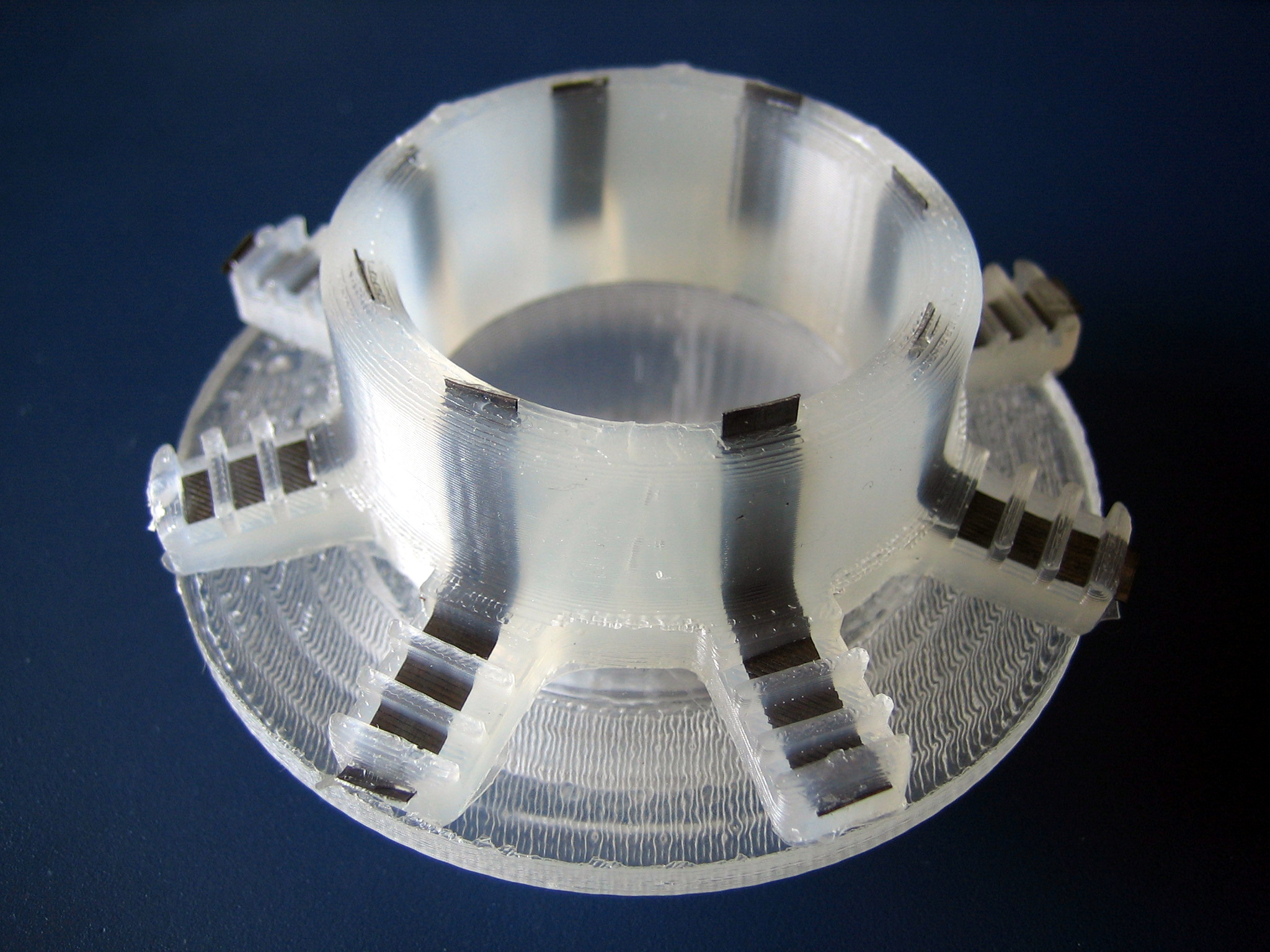
Polymers are lightweight, flexible, electrically insulating, chemically resistant, and easy to process. They are therefore frequently used in technical applications and can fulfill a wide range of functions. This course provides an introduction to the field of manufacturing, characterization, modification, and processing of polymeric materials. To this end, a bridge is built from the atomic structure through morphology to the component. The focus is on the effect of microstructural states and processes on macroscopic properties. Against this background, specific features such as entropy-driven rubber elasticity or the targeted adjustment of properties through additives are discussed.
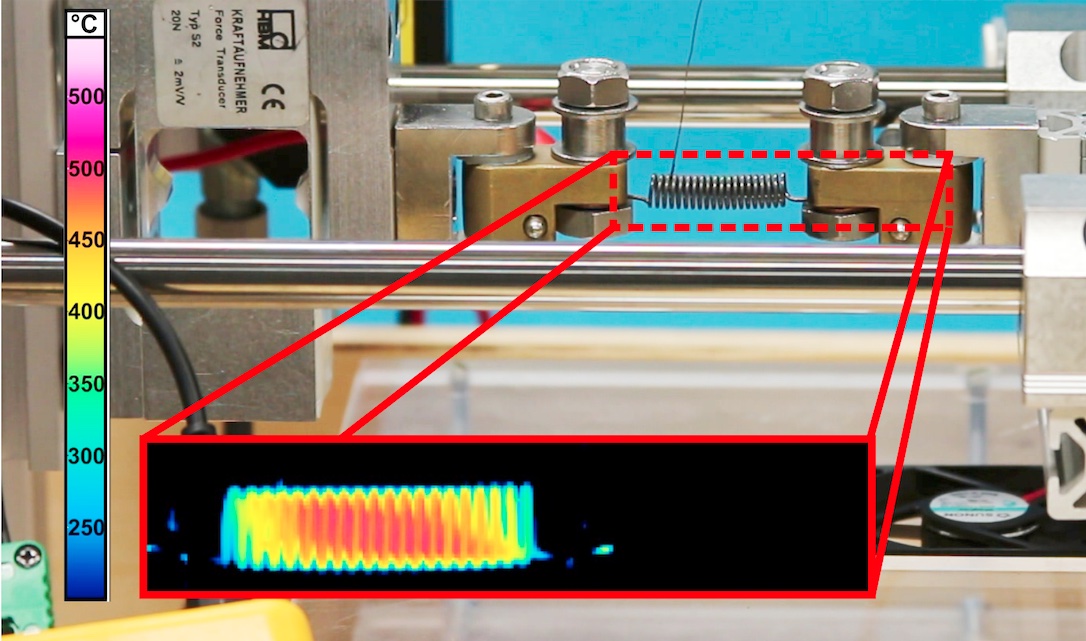
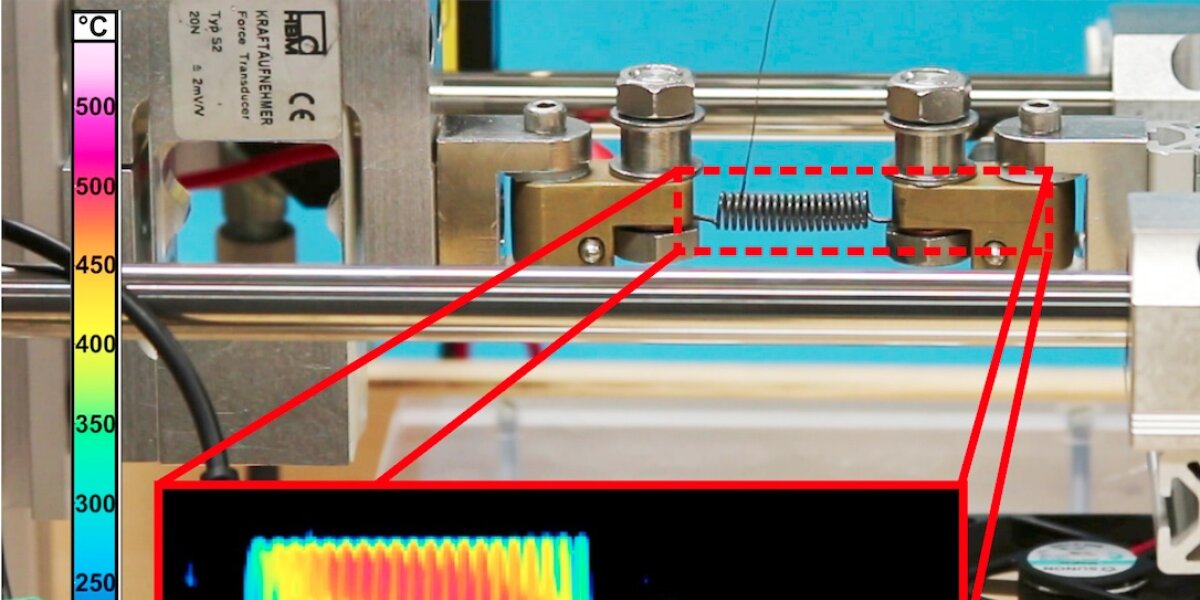
Shape memory alloys (SMAs) belong to the group of adaptive or smart materials because they are capable of adapting to changes in their environment: As multifunctional materials, they can independently alter key structural or functional properties (such as shape, stiffness, damping behavior, and electrical resistance).
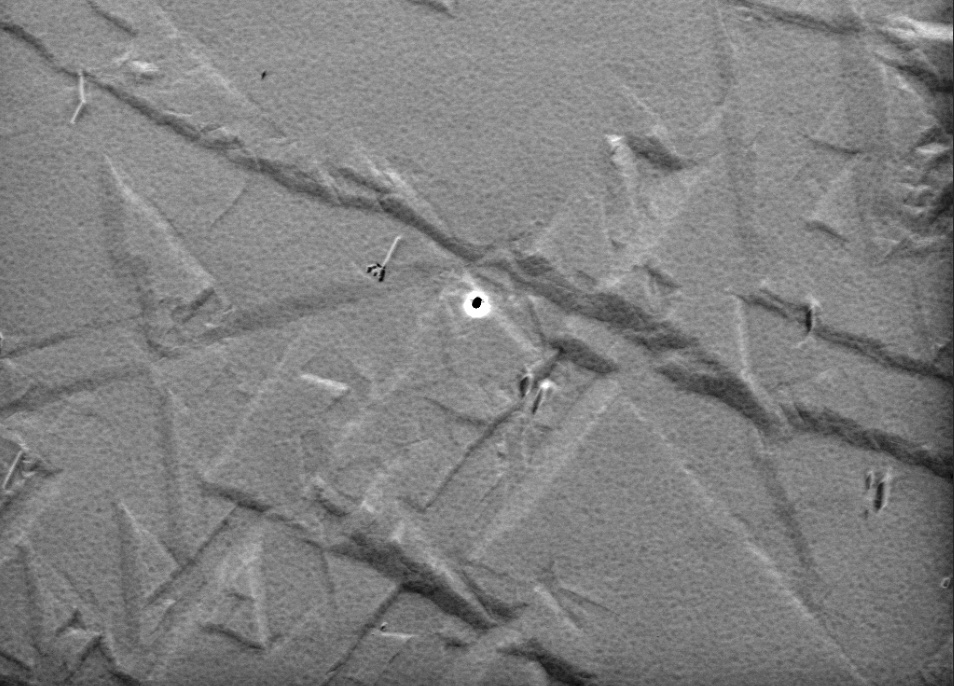
The lecture examines microstructural and technical aspects and links them together. The focus is on the fundamentals of martensitic transformation and the shape memory effects based on it. The production and property adjustment of binary shape memory alloys through the addition of further alloying elements will be discussed. Another topic is the processing of the raw material, which has a decisive influence on the structural and functional material properties (such as fatigue). The optimization of shape memory properties is illustrated using specific SM alloy components (e.g., from medical technology, smartphones, etc.).
Copyright © LWW 2026
Last update: Jul 09, 2026