24.11.2026
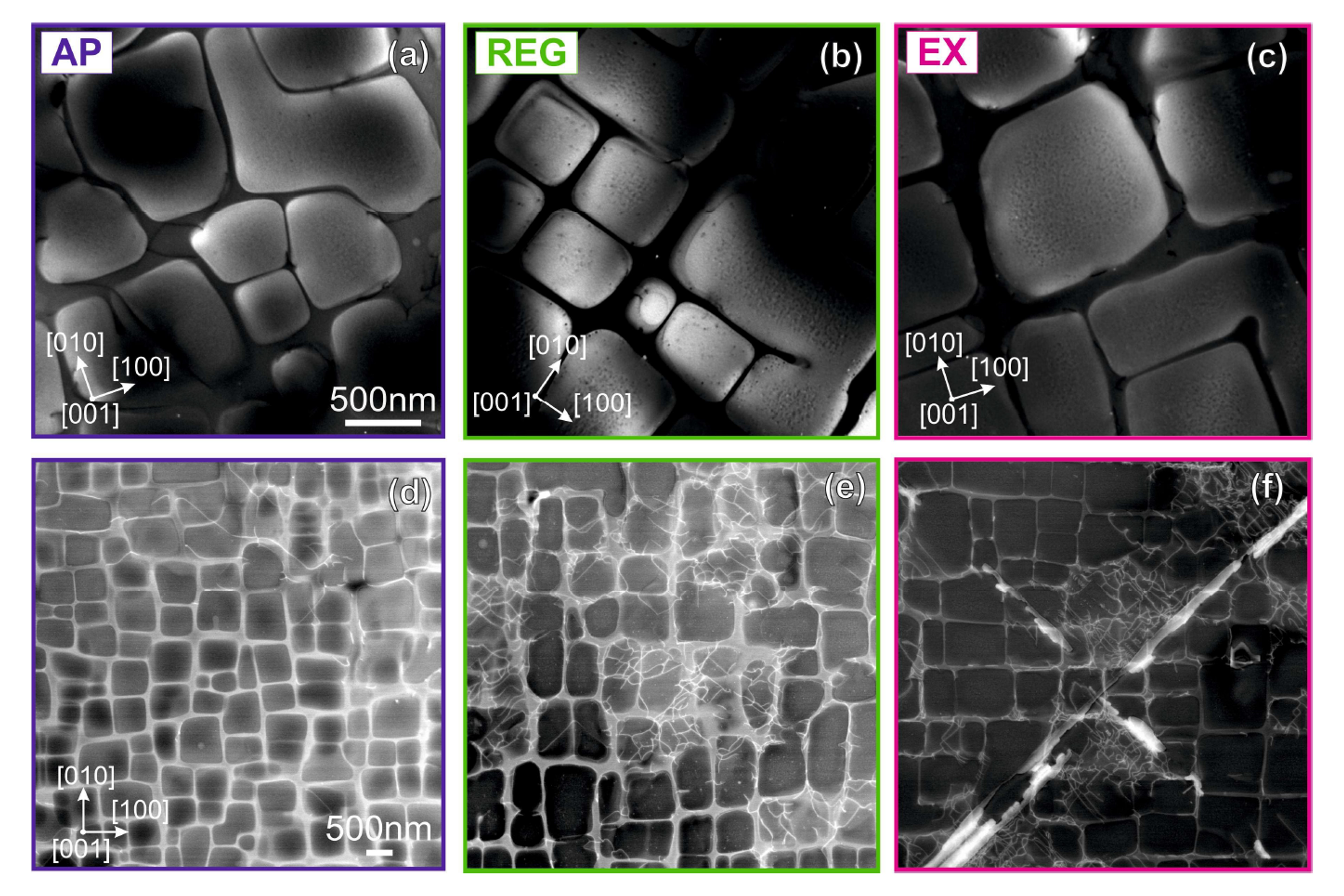
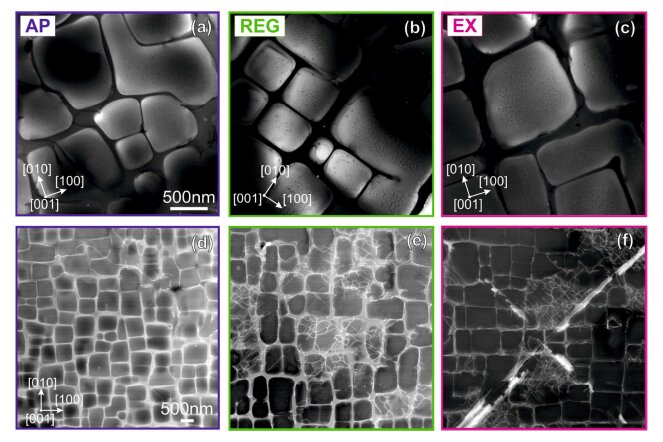
In a collaborative work with MTU Aero Engines and IPM in Brno, we have uncovered new insights into the microstructural evolution of Ni-base single crystal superalloys under simulated service conditions in aero engine turbine blades. We have analyzed as-processed material, after regular exposure (simulating the designed life), and after extended exposure (beyond the design lifetime). Using advanced microscopy techniques, we found that σ-phase needles form during high-temperature exposure, with minimal formation under regular conditions but a significant increase after extended exposure.
The σ-phase precipitate nucleate in γ near γ-channel crossings, causing elastic strain energy that leads to the formation of planar faults in the adjacent γ′-precipitates. This process triggers an autocatalytic sequence where planar faults facilitate the nucleation of new σ-phase needles, resulting in bead-like linear arrays of σ-phase and planar faults aligned along crystallographic planes. These findings provide valuable insights for alloy design and estimating the exploitable service life of turbine blades, contributing to improved sustainability in aviation.
Copyright © LWW 2026
Last update: Nov 24, 2026